



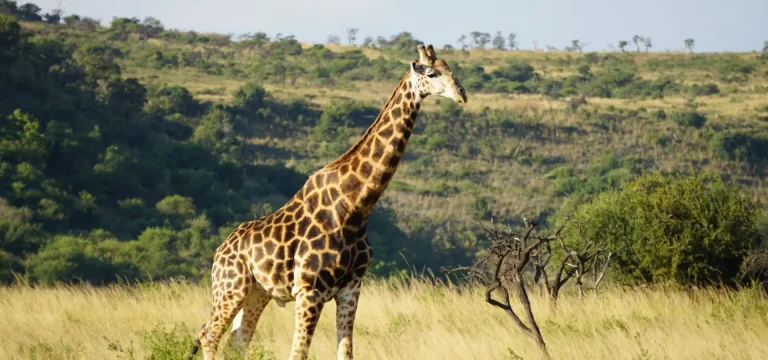
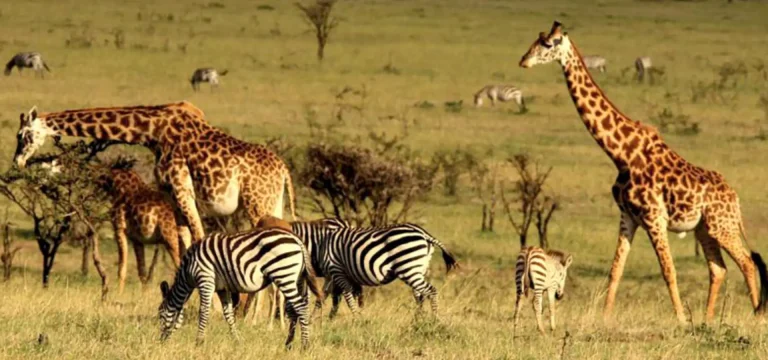
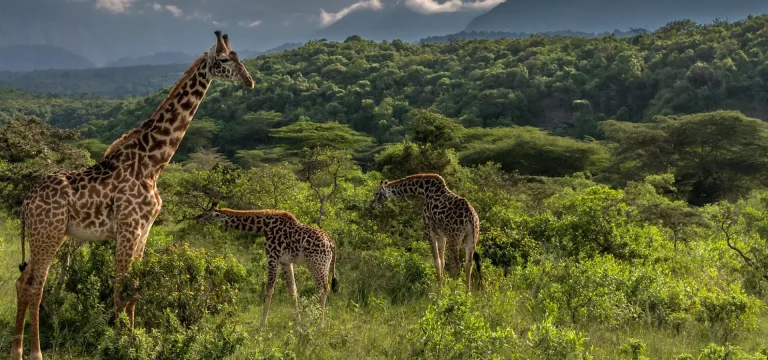
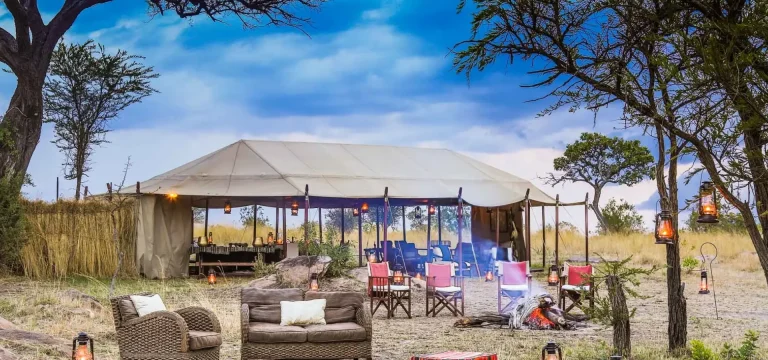
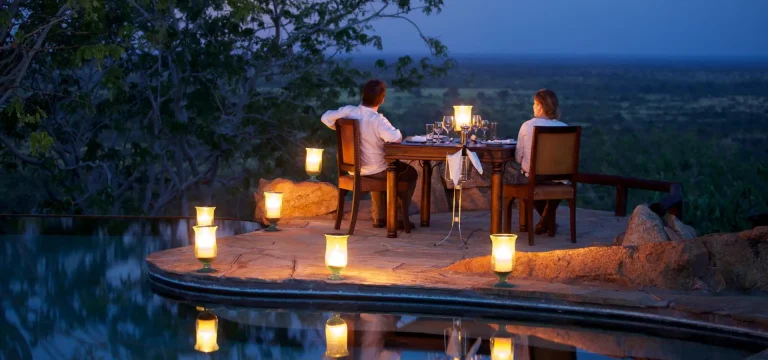
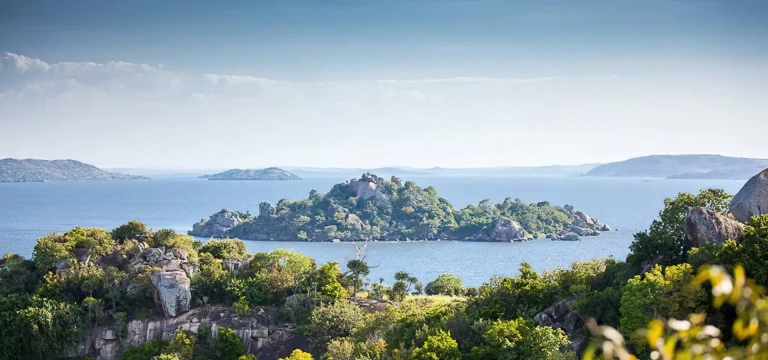
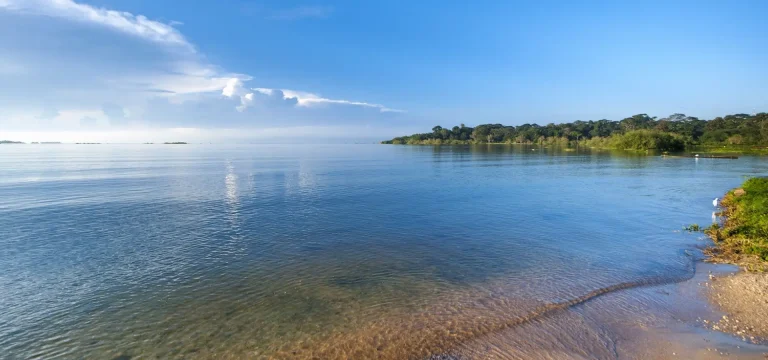



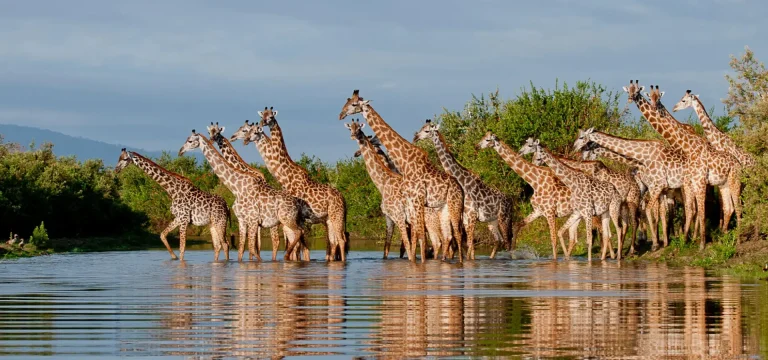
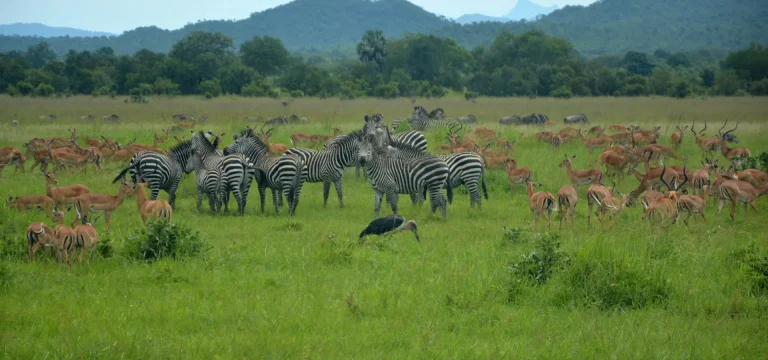
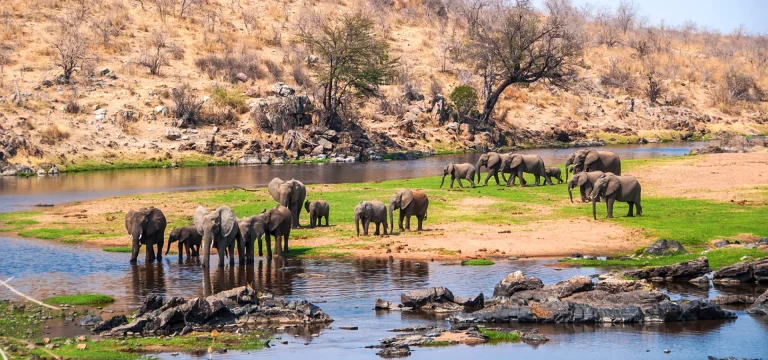
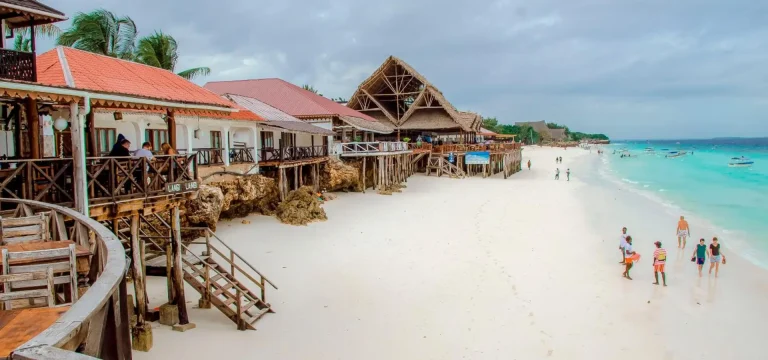
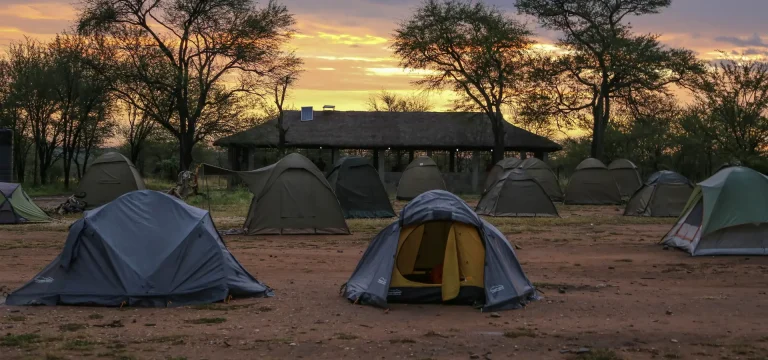
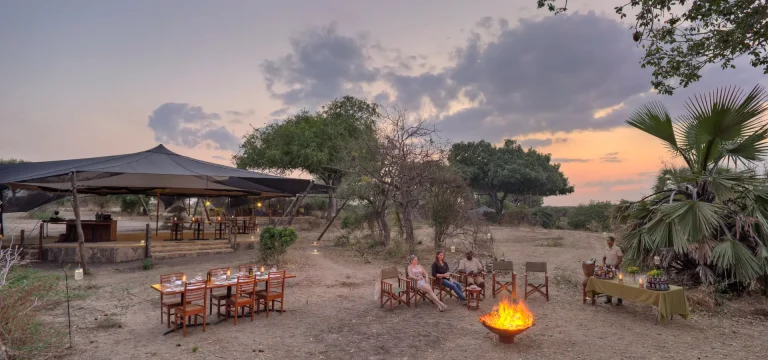
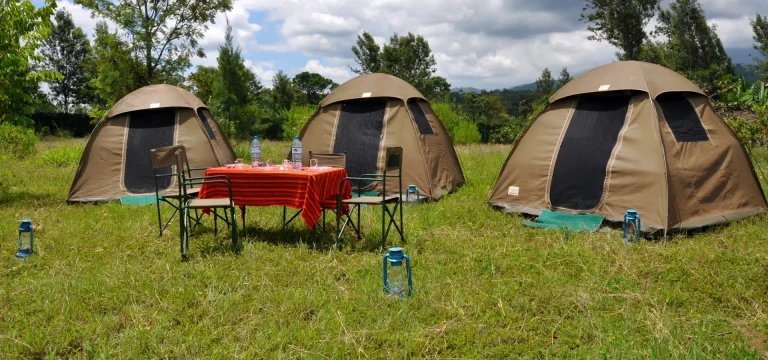
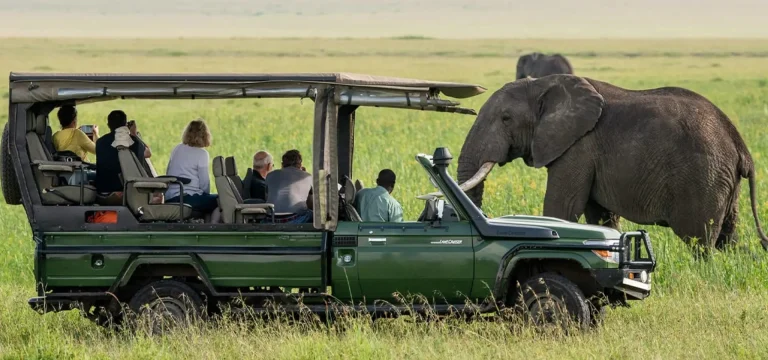




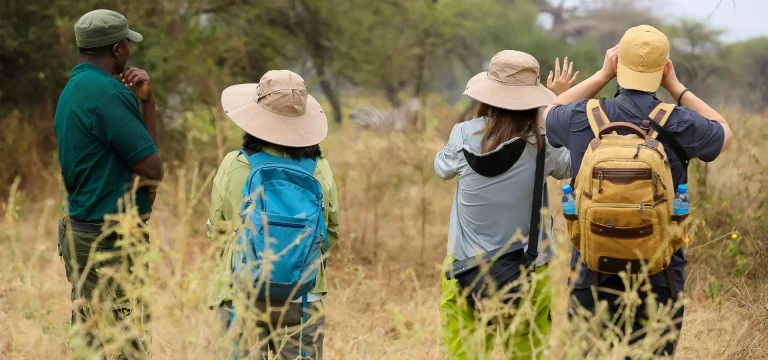
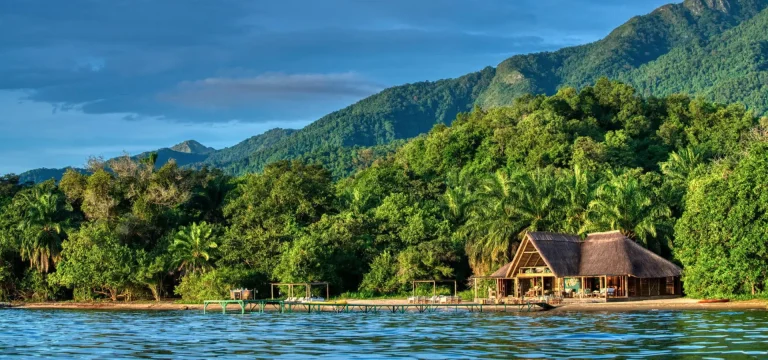
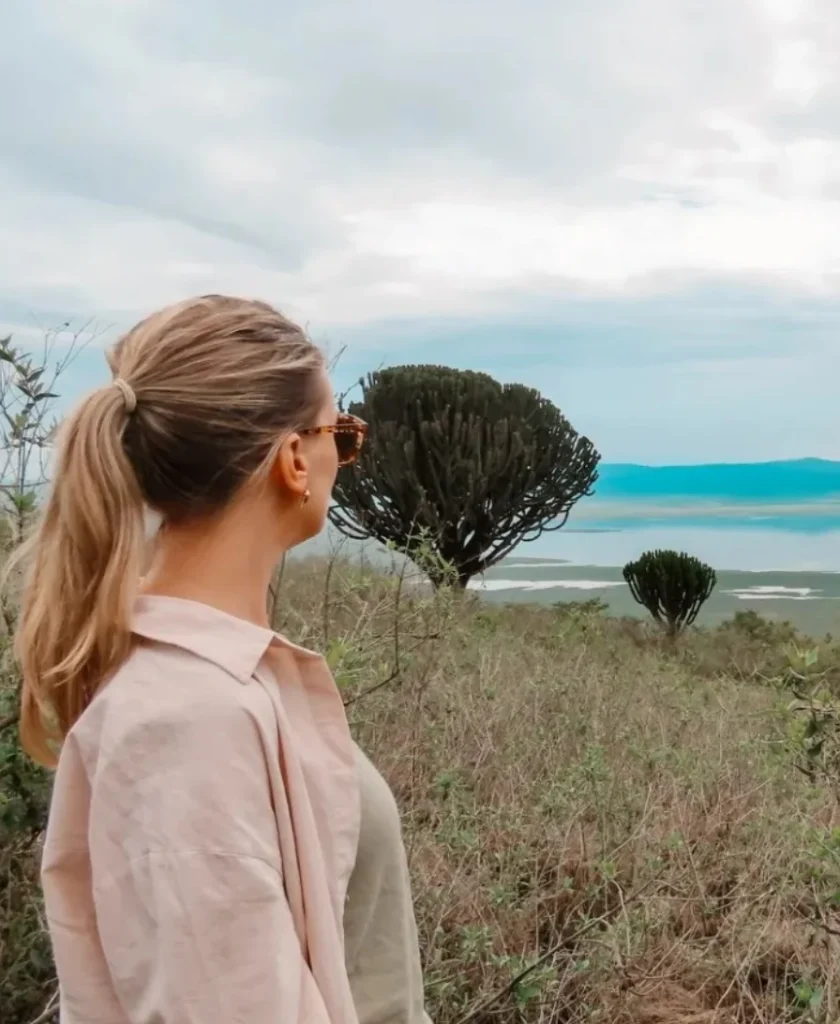
Travel patterns shift every year, but every now and then, the world starts pointing in the same direction. For 2026, that direction is Tanzania.
You’ll see it in early travel predictions, in safari operator schedules, in the way flight routes are expanding, and in the steady rise of searches for Tanzania Safaris and the broader Tanzania Travel Guide category.
Something is happening and this time, it’s not hype. It’s a real change unfolding across parks, communities, and the tourism system itself. This blog lays out why Tanzania is emerging as the top safari destination for 2026 and why travellers from around the world are choosing it over other big names.
You’ll find clear information, grounded updates, on-the-ground insights, and an honest look at what safari travel in Tanzania will feel like next year. Let’s begin!
A New Phase for Tanzania Safaris in 2026
Tanzania has always been a strong safari country, but 2026 is shaping up differently. The country enters the year with political stability after the election cycle, renewed conservation policies, and parks that are fully operational without the interruptions seen in previous years worldwide.
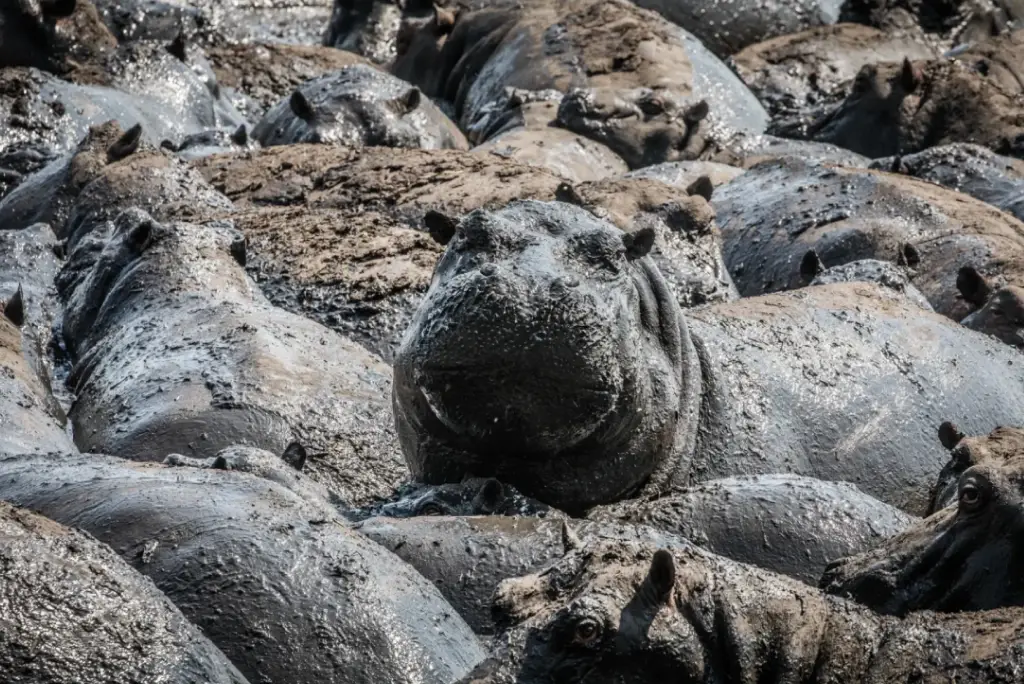
It may not sound dramatic, but stability is what makes a safari great — open parks, smooth logistics, better staffing, reliable guides, and accommodations operating at full strength.
For travelers planning Safaris in Tanzania in 2026, this means fewer uncertainties. The itineraries run cleanly. Flights run without heavy delays. Guides are consistent. Camps are staffed. And the wildlife? That never left.
Where Tanzania Stands Out — Especially in 2026
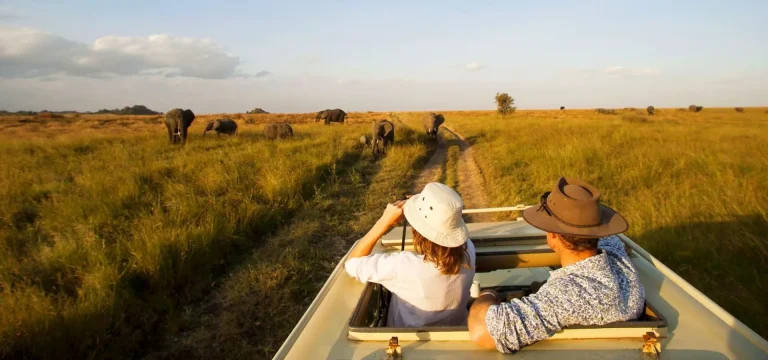
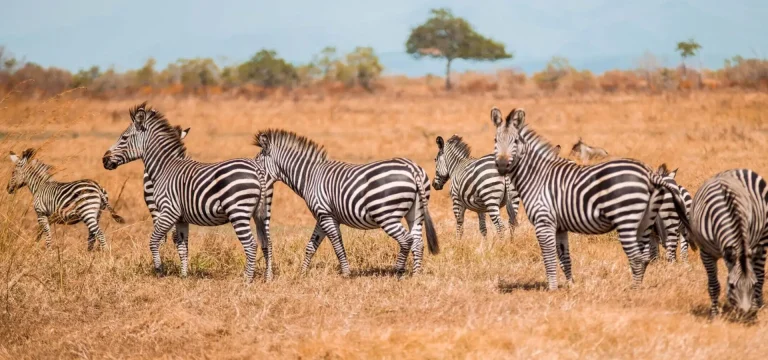
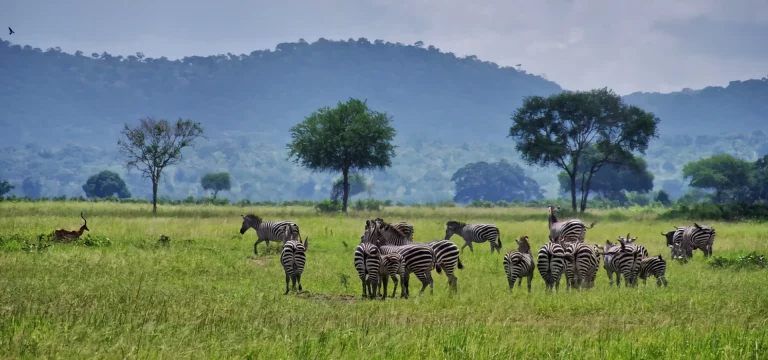
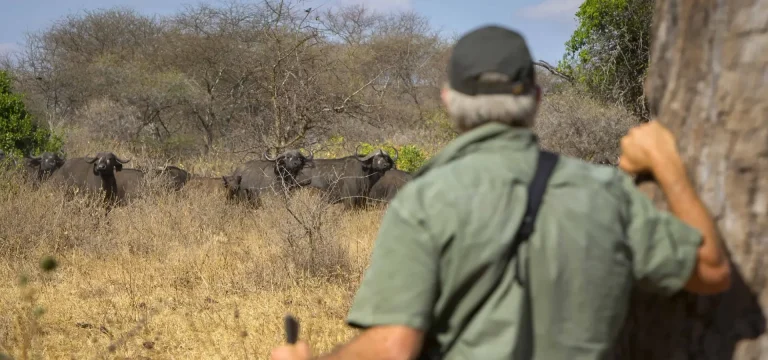
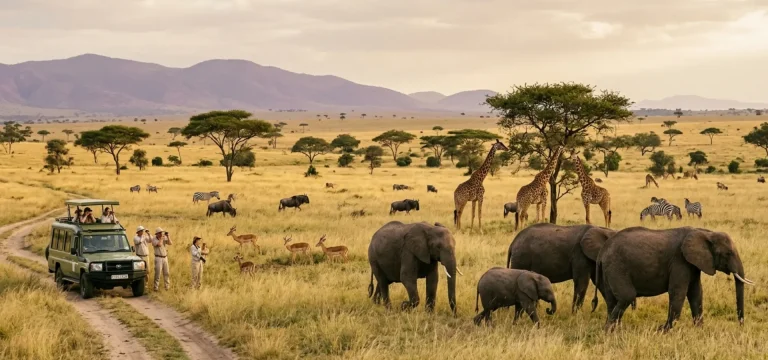
If you’re comparing safari destinations, Tanzania starts ahead in a few areas. The Serengeti National Park, Ngorongoro Crater, Tarangire National Park, Lake Manyara, and Arusha National Park create one of the most complete wildlife circuits in Africa. Each park offers something distinct, and all remain accessible and safe.
In 2026, park authorities and local operators have strengthened systems in three areas that matter most for visitors:
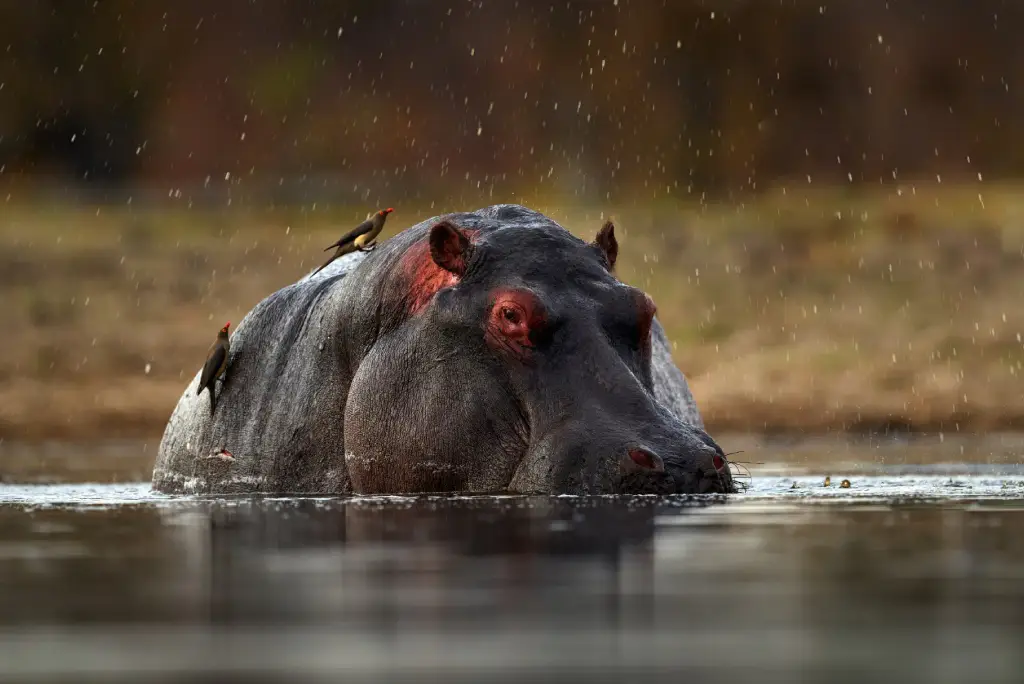
Reliability of Wildlife Sightings
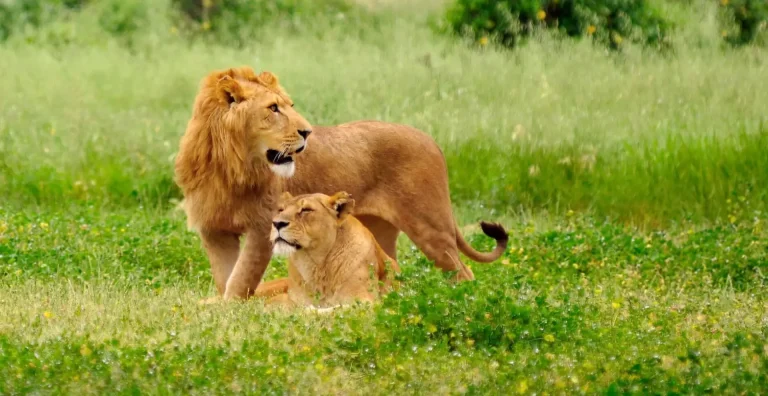
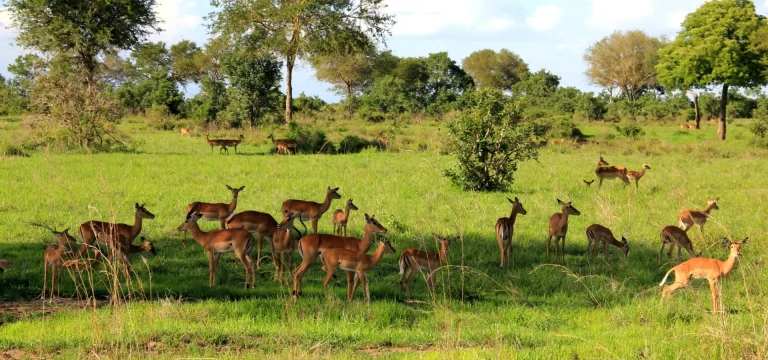
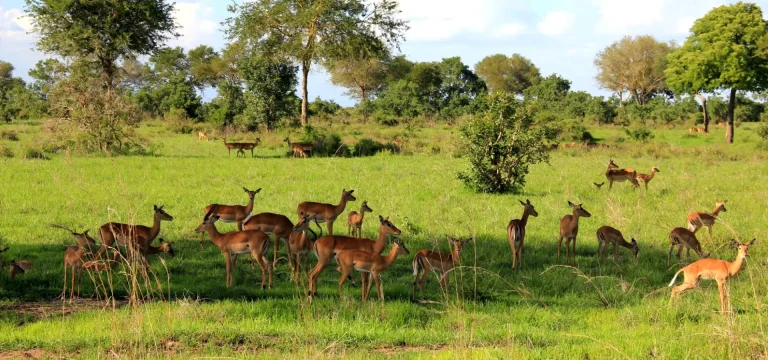
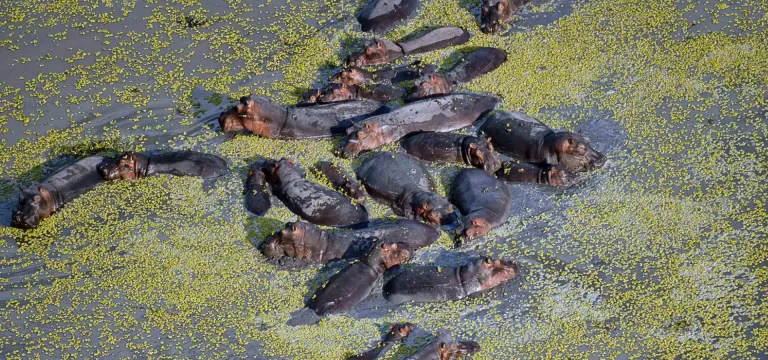
This isn’t something operators can manufacture. The geography plays a major role. The ecosystem adds to its uniqueness. Years of conservation have helped preserve its natural beauty. In 2026, wildlife viewing remains one of Tanzania’s strongest advantages. The predictability of the wildlife sightingshas improved because guides have better communication tools, movement patterns of animals are well-studied, and road networks have been maintained more consistently throughout the year. This ultimately improves the Tanzania Safari Experience.
Visitor Experience Improvements
More rest stops, cleaner picnic points, regulated vehicle counts in sensitive areas, and improved ranger presence; these small changes add up. Across multiple parks, TANAPA and tourism stakeholders have created clearer movement plans inside the parks, so visitors spend more time viewing wildlife and less time stuck in queues.
| Safari Details | Information |
|---|---|
| Destination | Tanzania |
| Best Time to Visit | June – October |
| Duration | 3–10 Days |
| Top Parks | Serengeti, Ngorongoro, Tarangire, Lake Manyara |
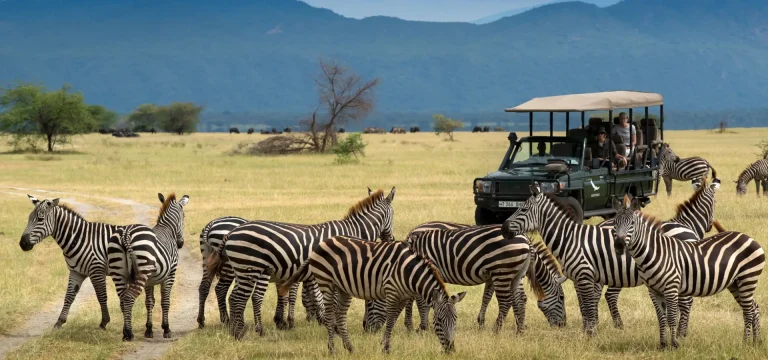
| Wildlife | Big Five, Wildebeest, Zebra, Giraffe |
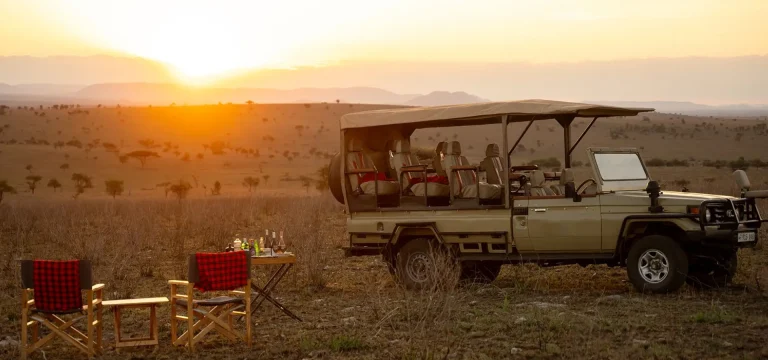
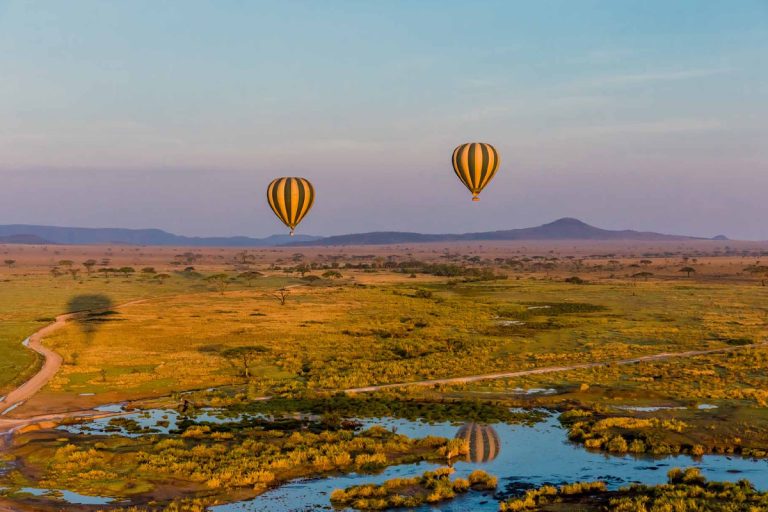
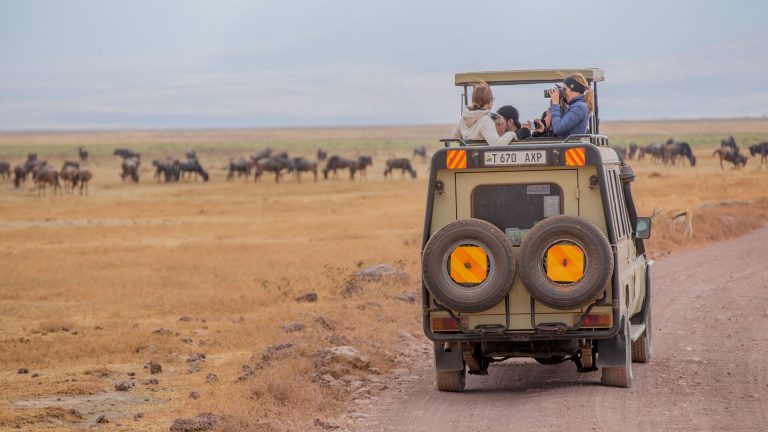
| Activities | Game Drives, Balloon Safari, Bird Watching |
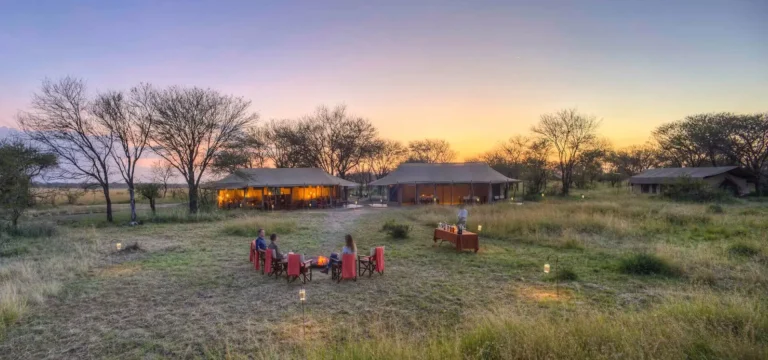
| Accommodation | Budget, Mid-range & Luxury Lodges |
| Starting Point | Arusha |
| Ideal For | Families, Couples & Wildlife Lovers |
| Highlights | Great Migration, Big Five, Ngorongoro Crater |
A Better Crowd Balance
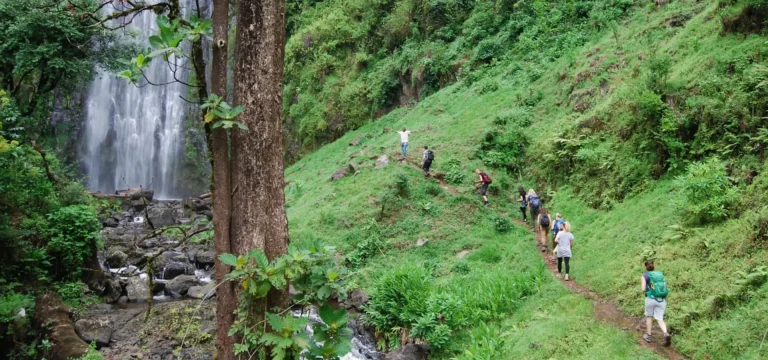
While Tanzania remains popular, the distribution of visitors across more parks has eased the pressure on the most famous ones. Offbeat Tanzania Destinations like Arusha National Park are receiving more structured itineraries, offering travelers quieter alternatives.
The Core Reason Travelers Are Looking at Tanzania for 2026
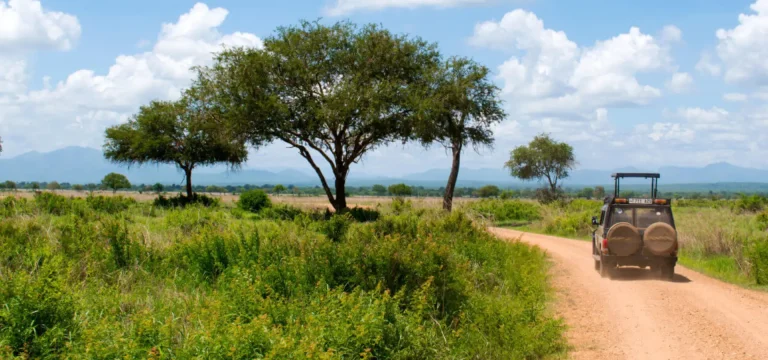
A safari feels special when it’s organized well. It’s that simple. And 2026 will be a year where the entire safari chain from airport pickup to lodge to game drive works efficiently.
Operators, lodges, and local authorities have spent the last two years reinforcing visitor handling. New guides have been trained. Experienced guides have returned. Lodges that underwent renovations are reopening. The safari industry feels settled and prepared. Travel demand is climbing. But so is readiness.
A safari feels special when it’s organized well. It’s that simple. And 2026 will be a year where the entire safari chain from airport pickup to lodge to game drive works efficiently.
The National Parks That Will Define Tanzania in 2026
Travelers often choose Tanzania because they want iconic wildlife moments. In 2026, the four pillar parks offer exactly that, backed by dependable routes and upgraded facilities.
Serengeti National Park
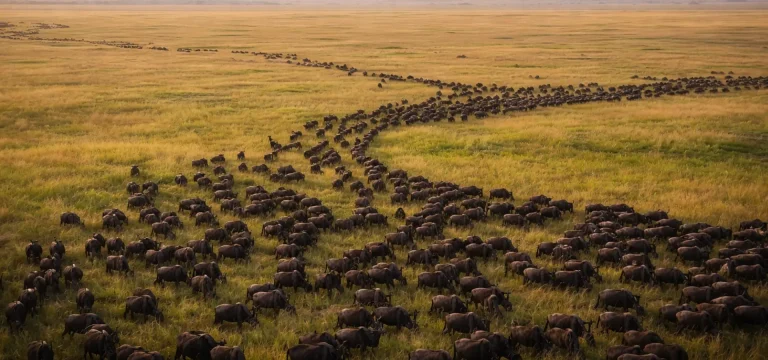
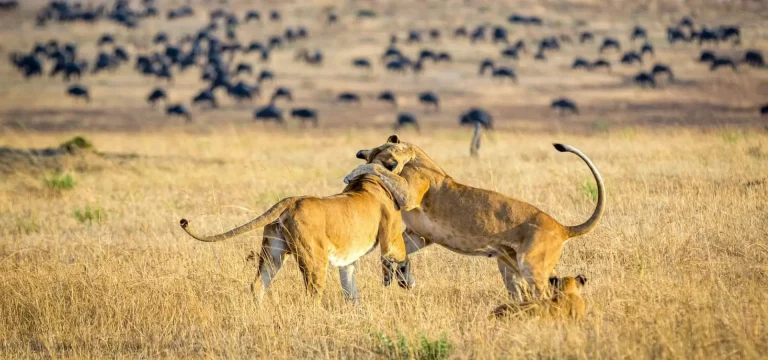
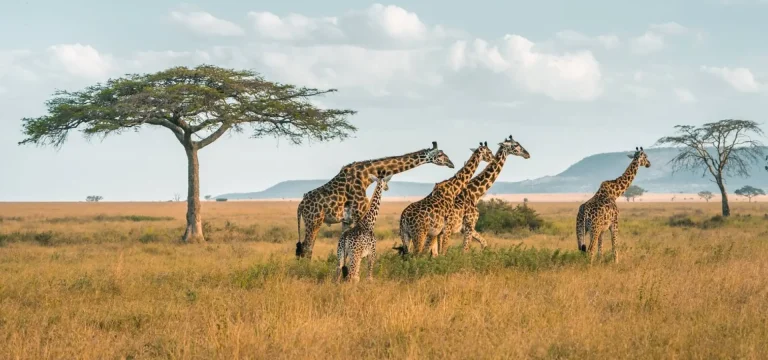
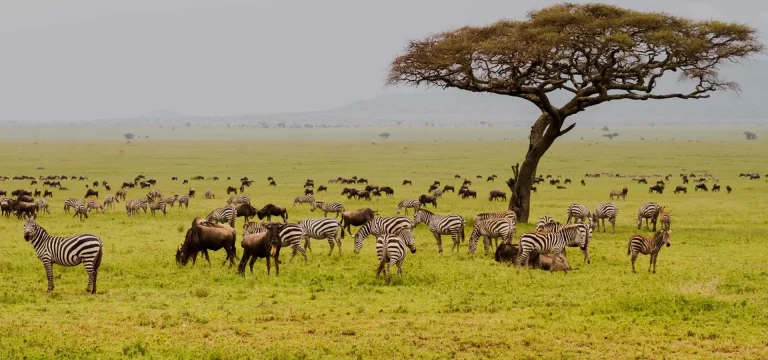
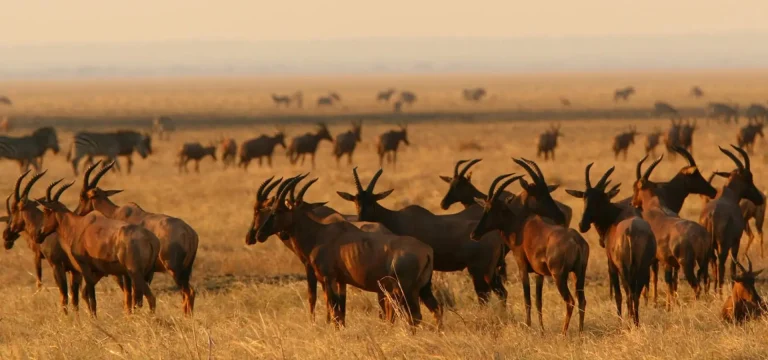
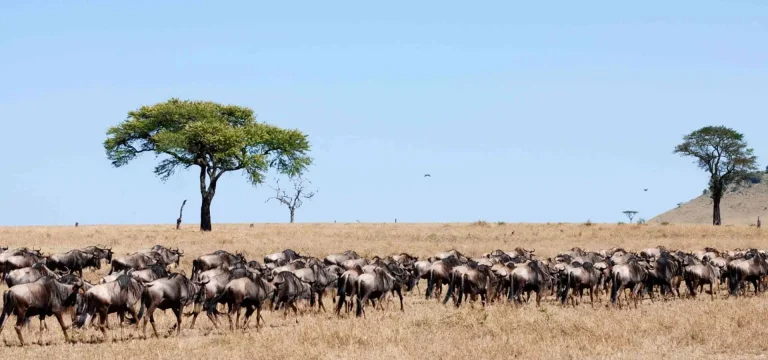
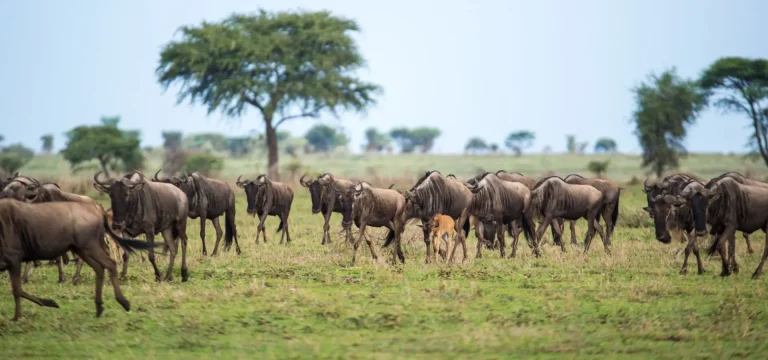
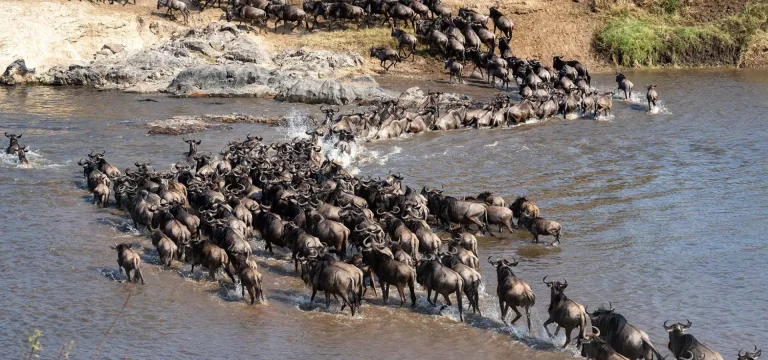
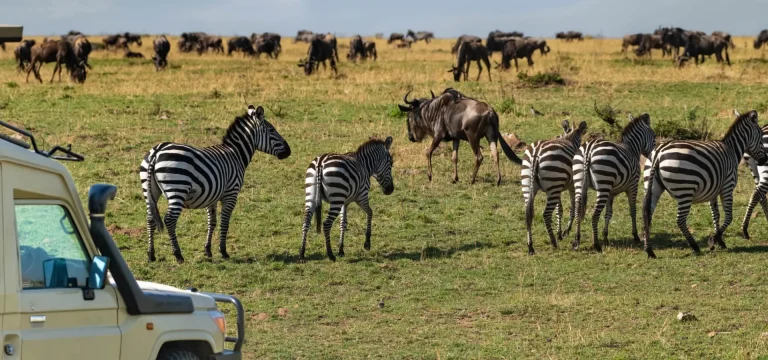
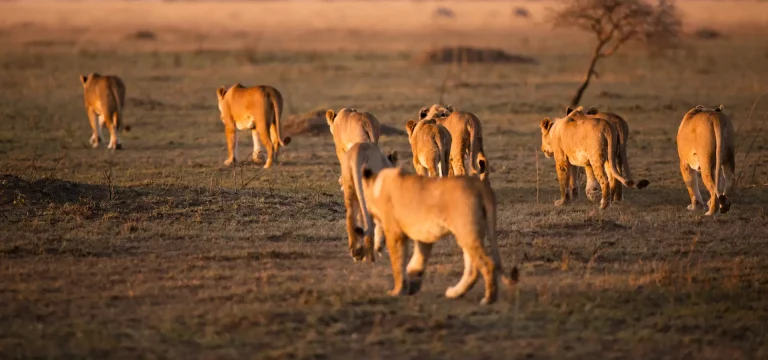
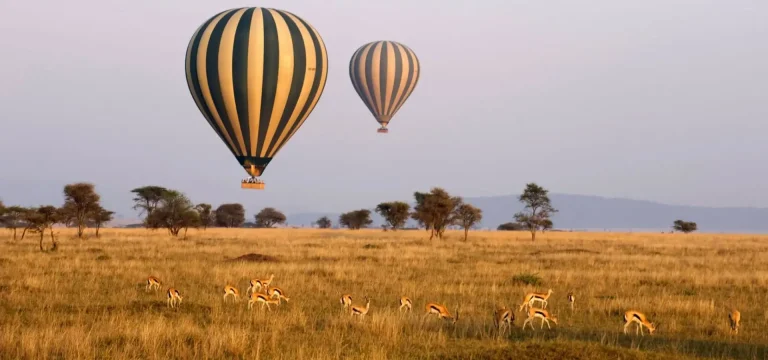
The Serengeti-National-Park remains unmatched in 2026. The Great Migration continues as the world’s largest land-based wildlife movement, and predictions show stable migration paths due to consistent seasonal conditions. Travelers can expect reliable crossings, large predator interactions, and quieter viewing in certain months.
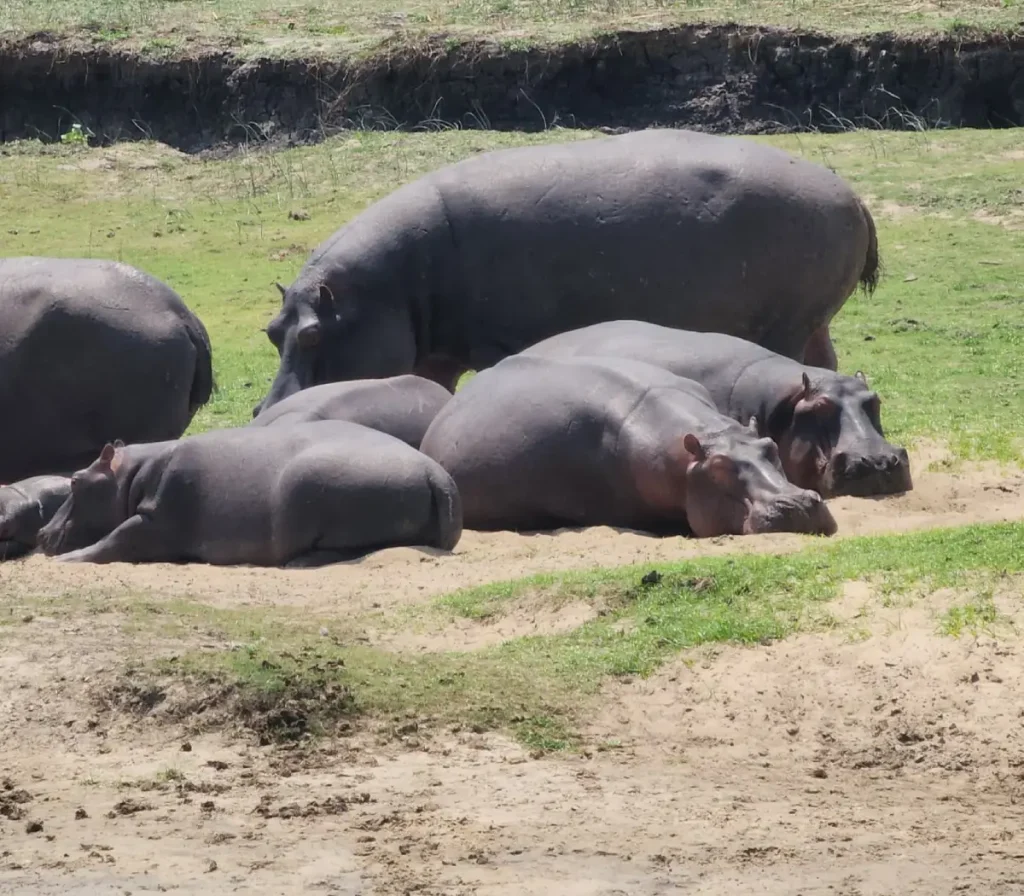
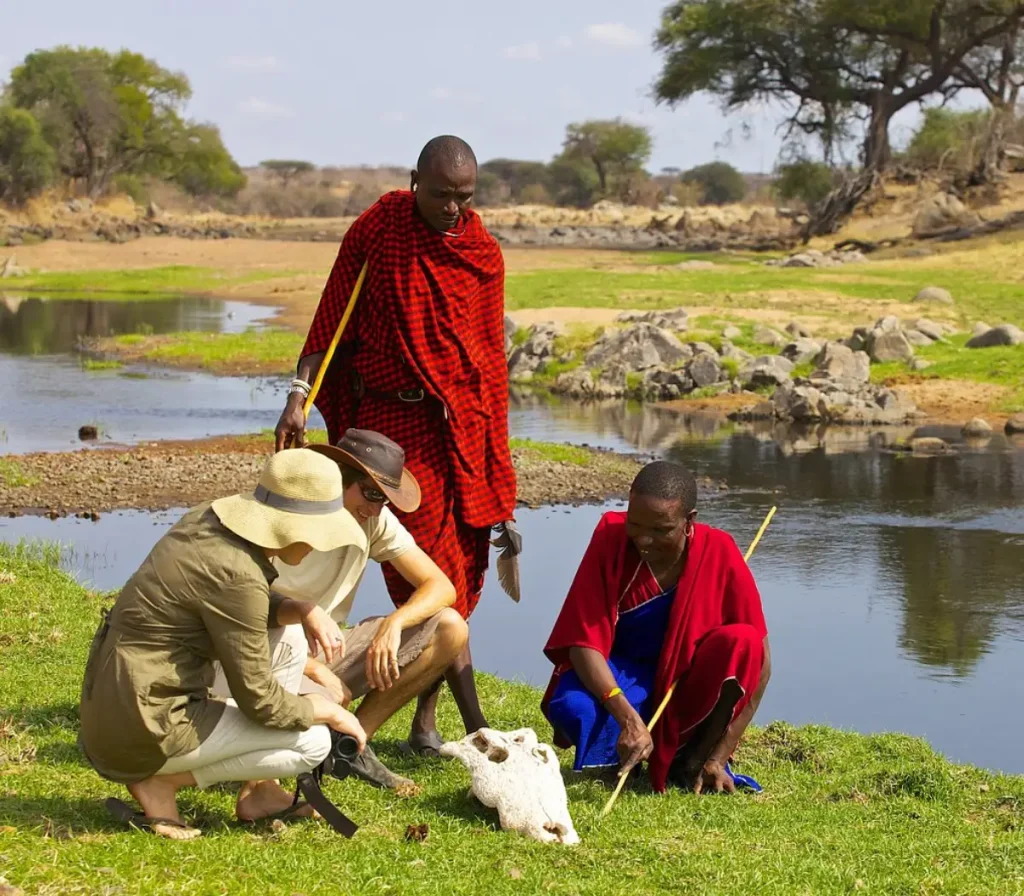
The Serengeti is also seeing refined traffic control during peak moments, ensuring that viewing areas never get overcrowded.
If there is one place that defines Tanzania’s advantage over other African destinations next year, it’s the Serengeti.
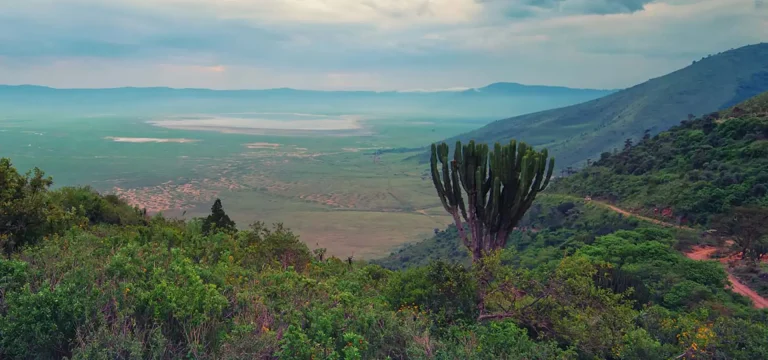
Ngorongoro Crater
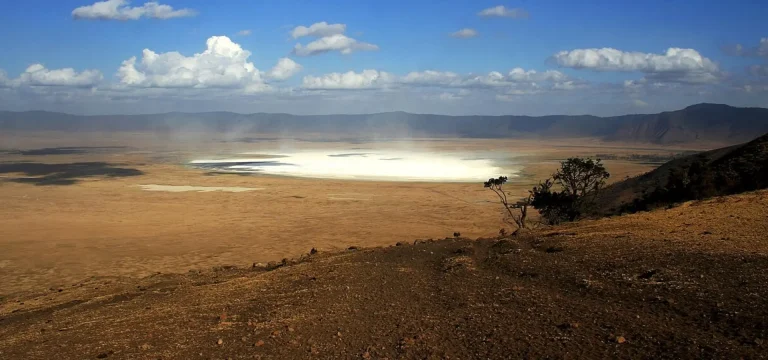
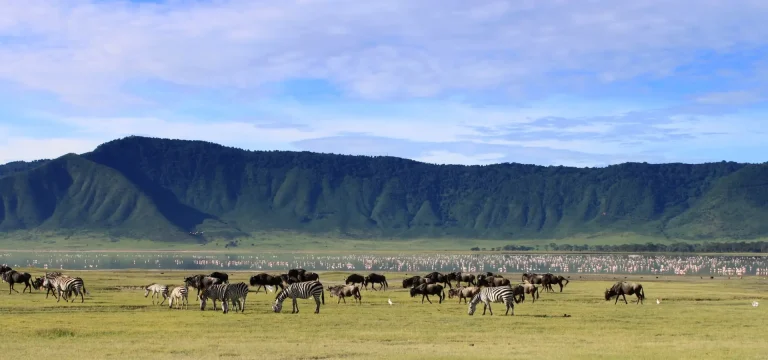
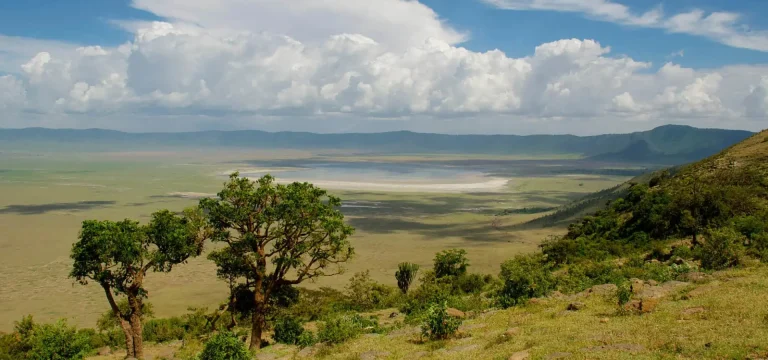
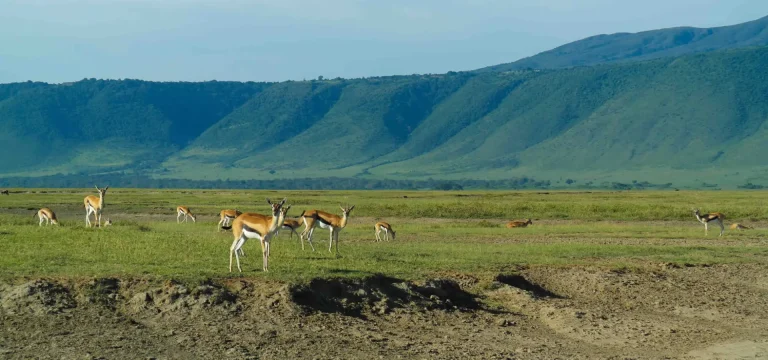
The Ngorongoro Crater remains one of the easiest places to view many animal species quickly. For 2026, updated ranger monitoring, controlled entry timing, and maintained roads make the experience smoother.
The Crater’s geographic structure already works in its favor, wildlife stays within the basin and improved visitor management simply enhances what nature already provides.
Tarangire National Park
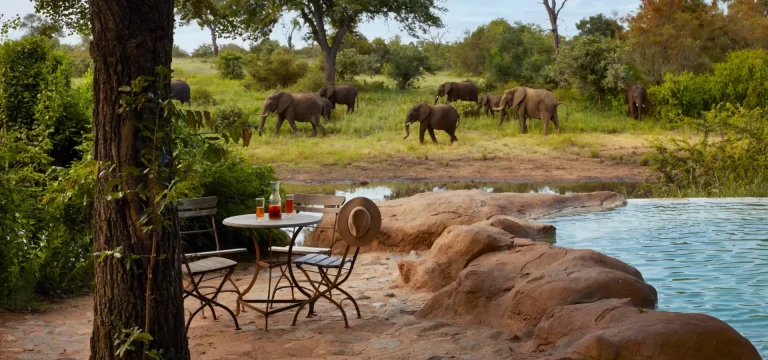
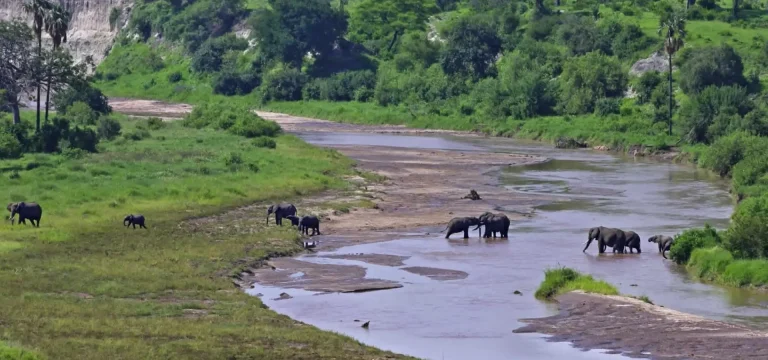
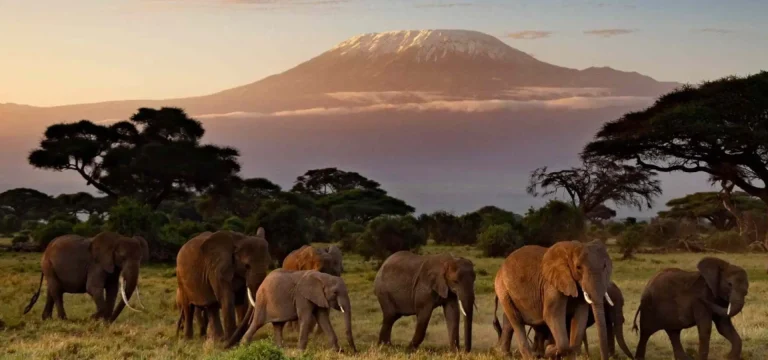
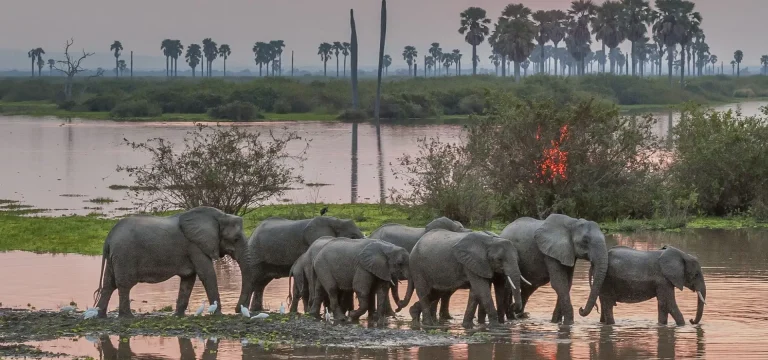
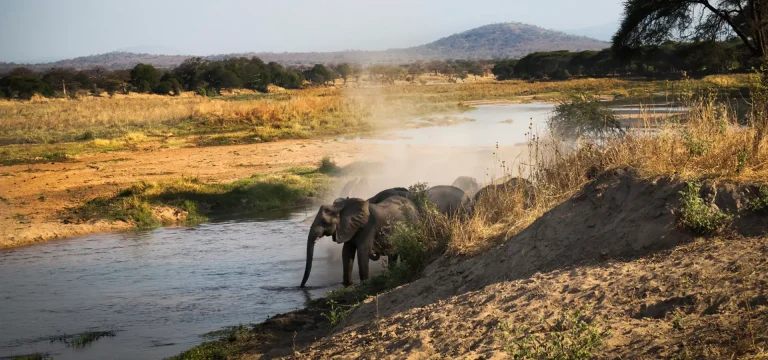
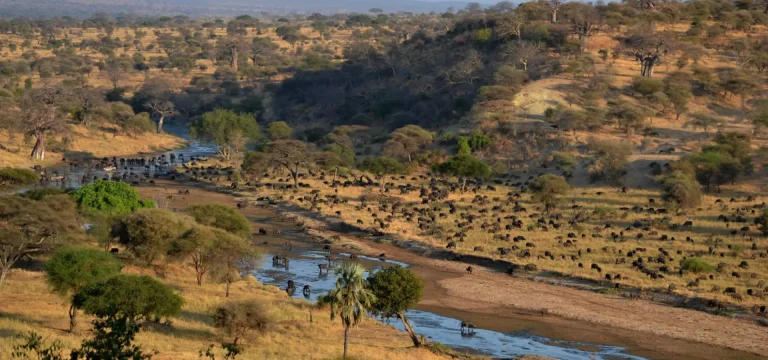
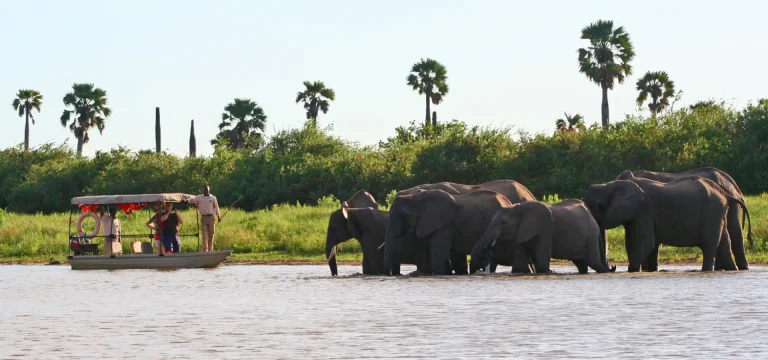
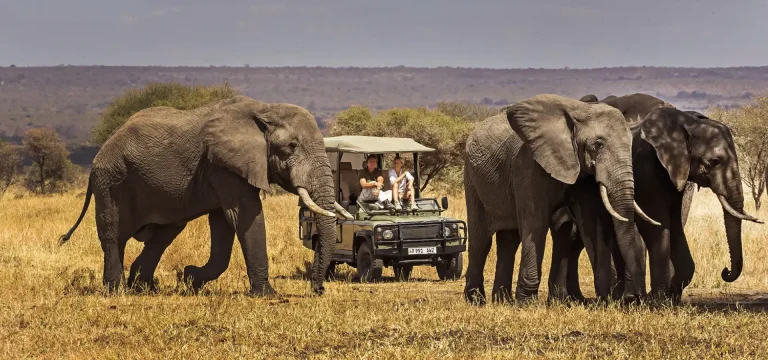
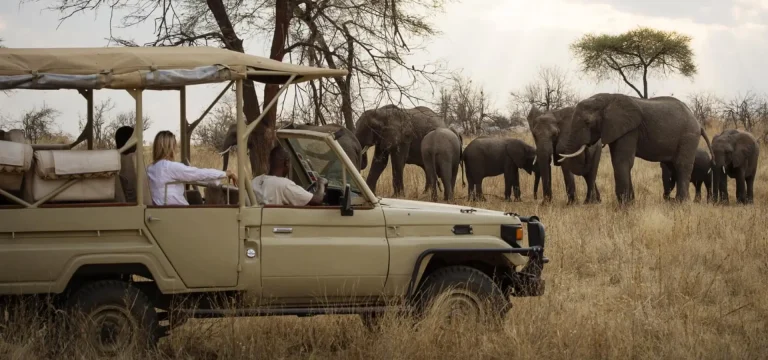
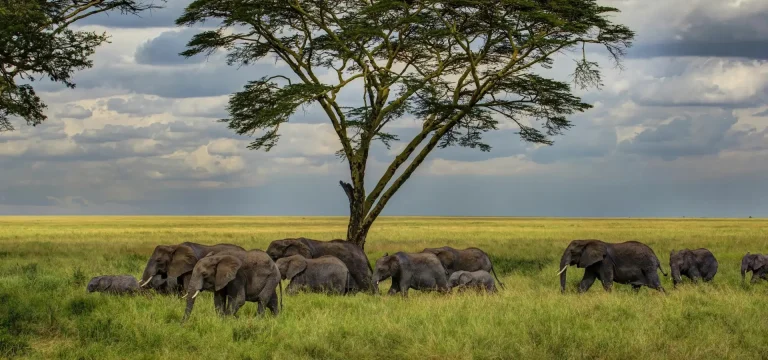
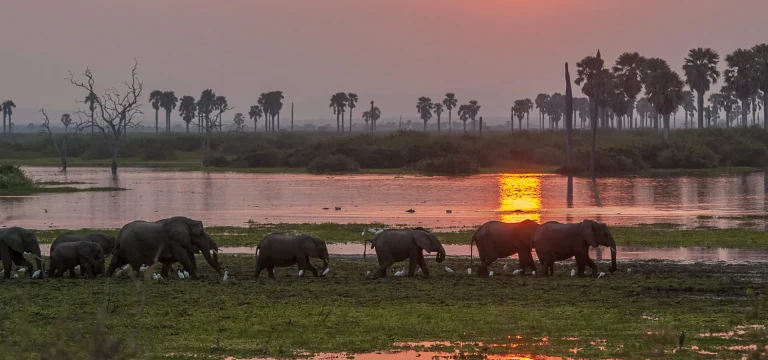
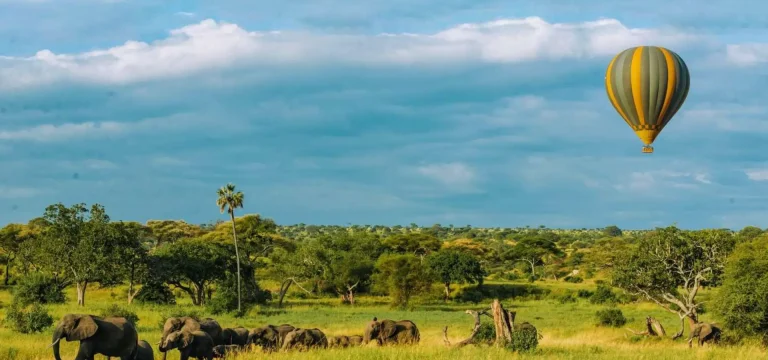
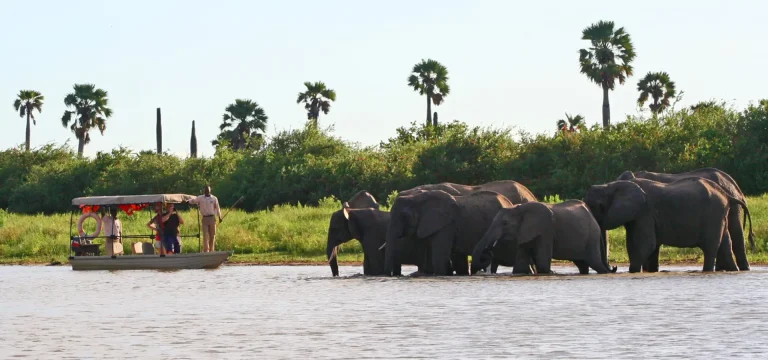
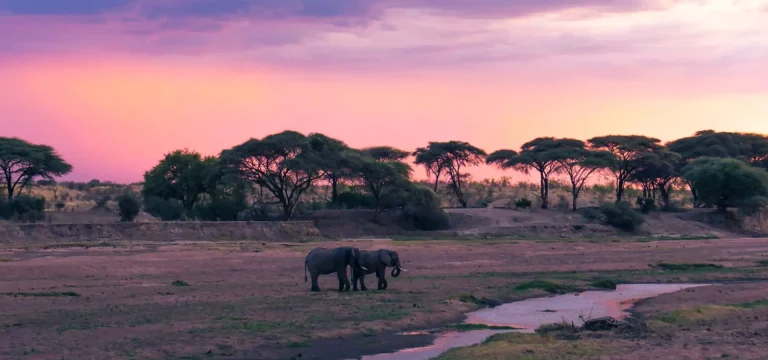
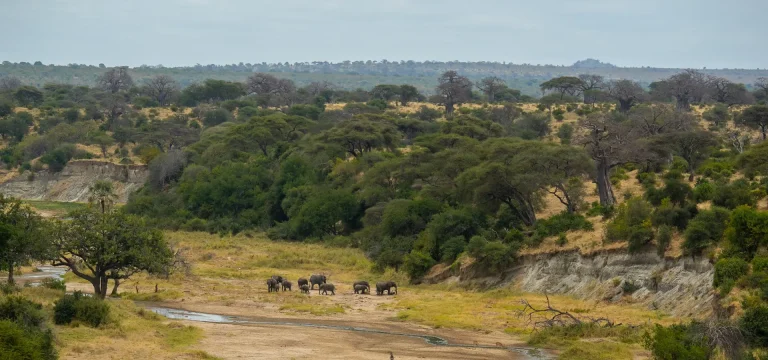
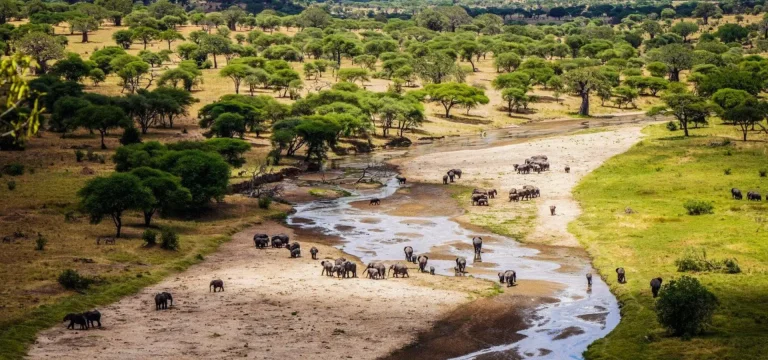
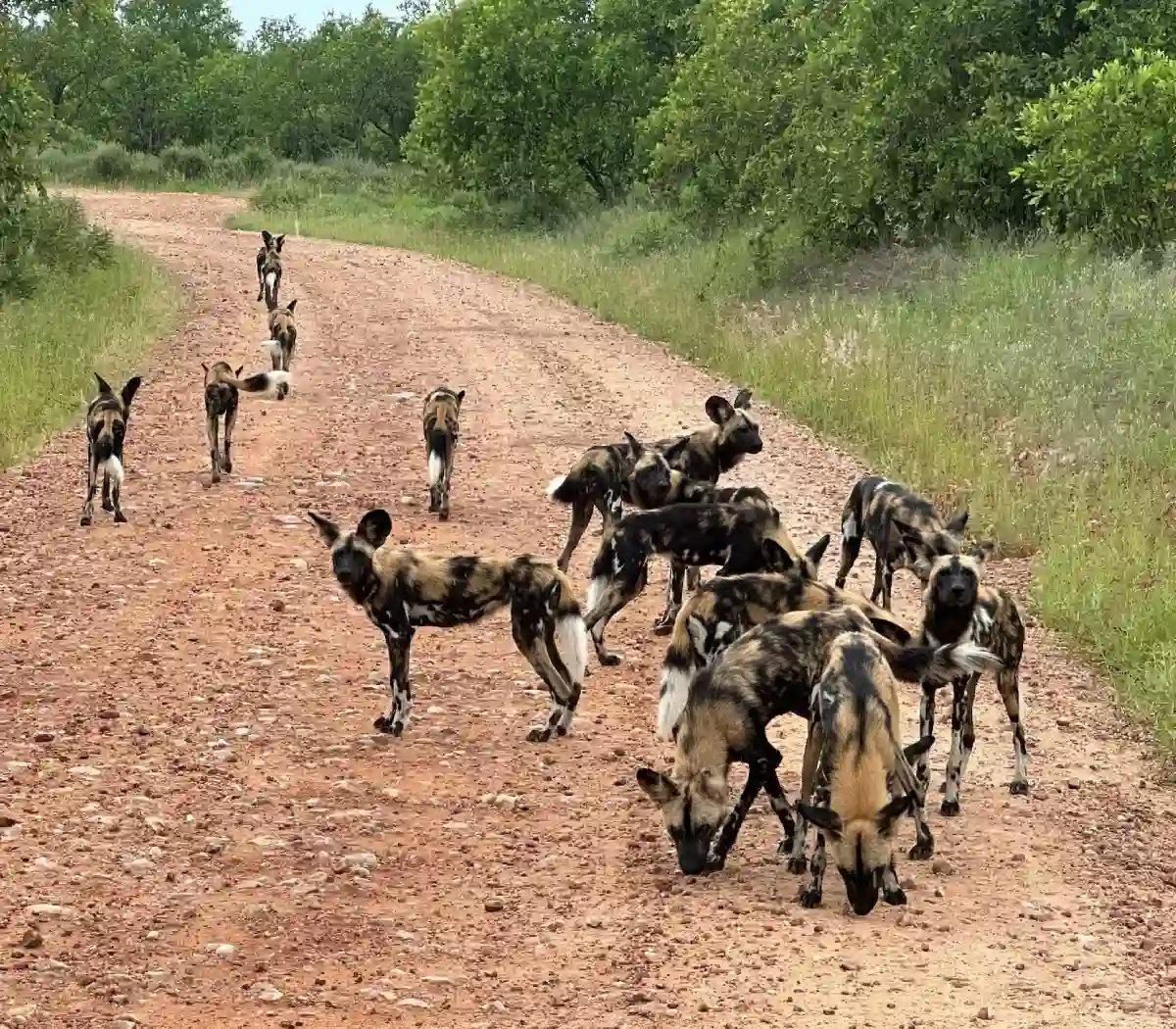
Elephants remain the heart of Tarangire-National-Park, and 2026 sightings are expected to be strong. Better water retention in certain areas and controlled grassland burning have contributed to healthier grazing zones. The result? More consistent wildlife in the central and southern regions.
Tarangire is also seeing increased visitor interest due to its quieter atmosphere compared to more frequented parks.
Lake Manyara National Park
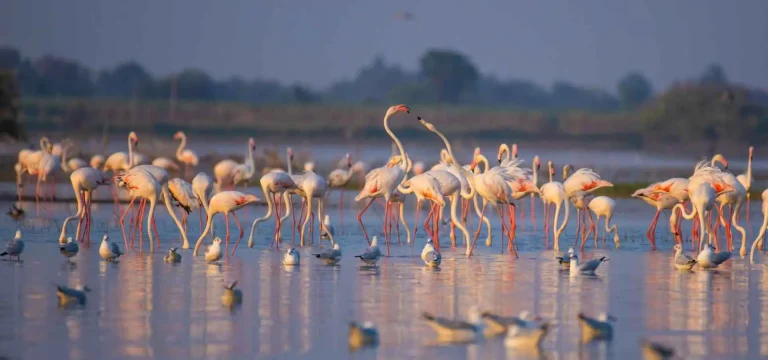
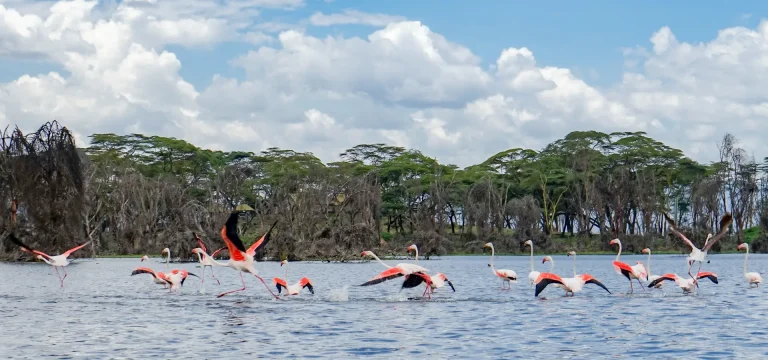
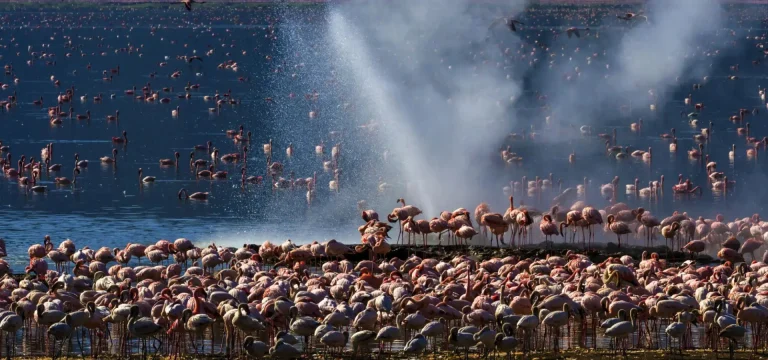
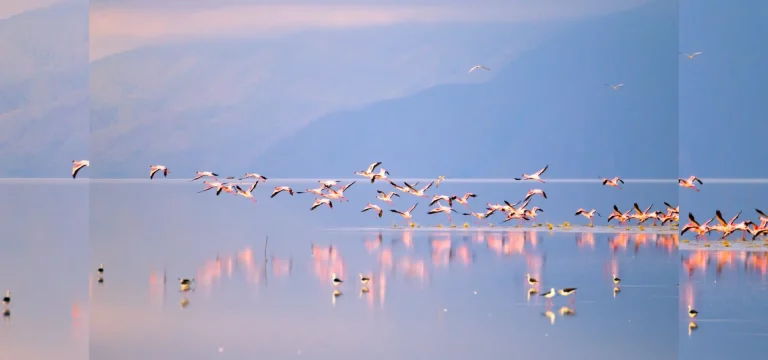
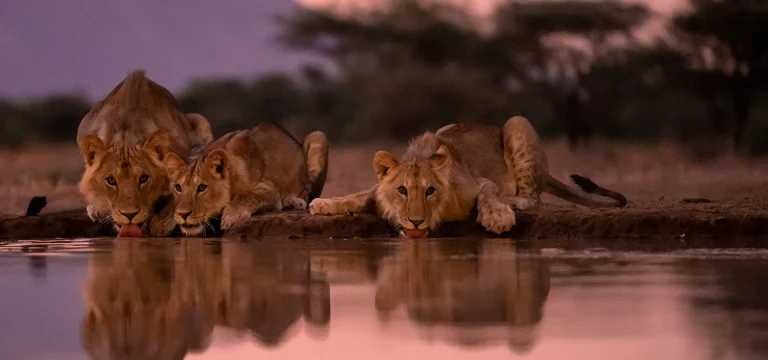
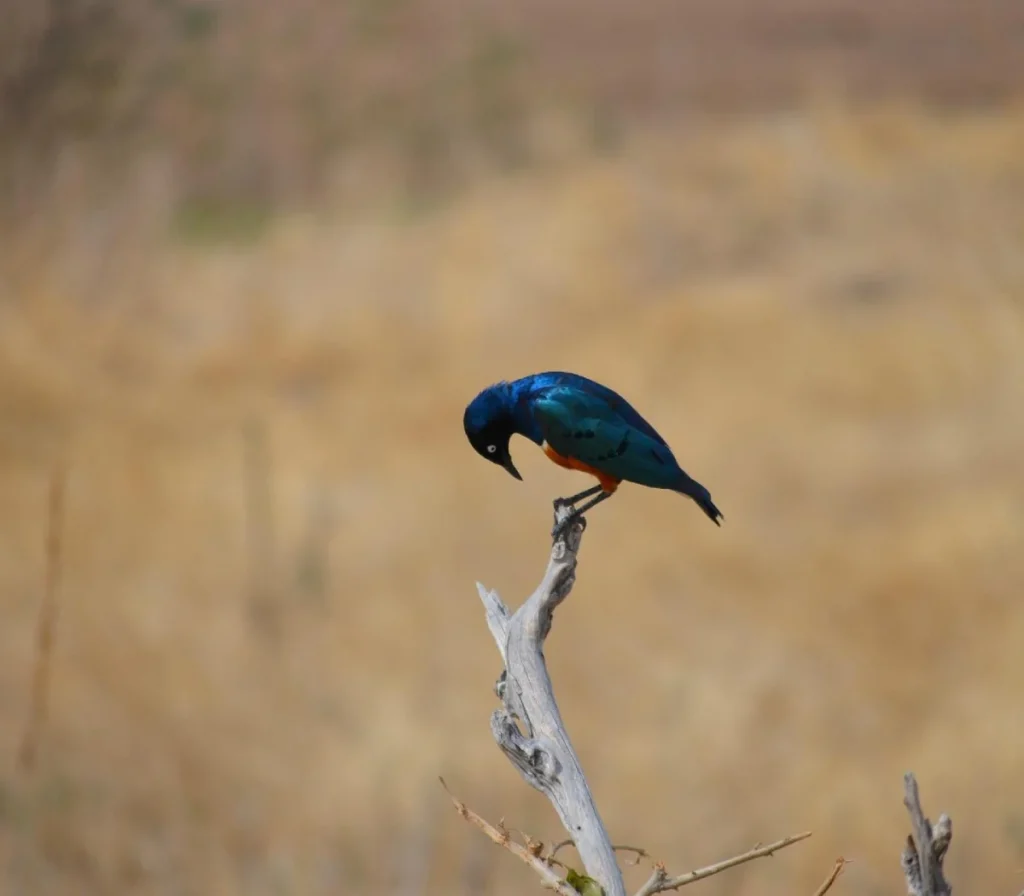
While smaller, Lake Manyara offers contrasting landscapes and a strong birding population. 2026 will be a good year for those wanting tree-climbing lions or large flamingo movements because of improved lake conditions and habitat protection.
The Cultural Side: A Hidden Strength for Tanzania in 2026
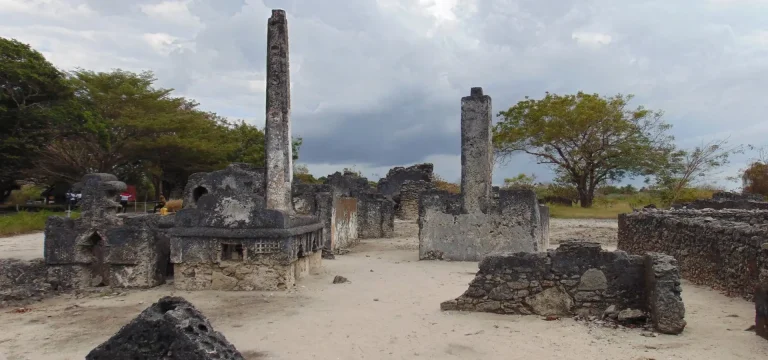
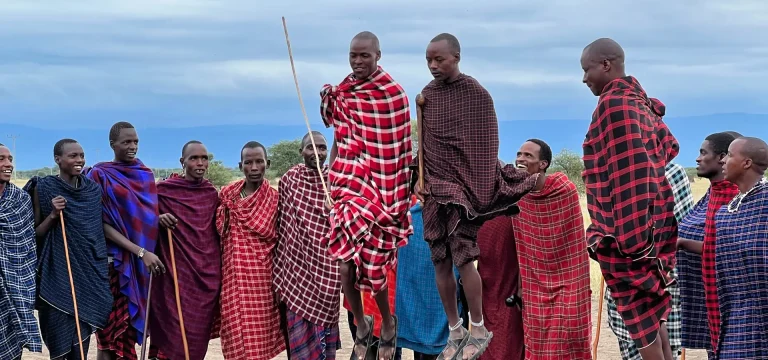
Wildlife is the main draw, but culture is the layer that deepens understanding. Travelers in 2026 are specifically seeking trips that feel meaningful, not just scenic.