How Much Does It Cost to Climb Kilimanjaro?
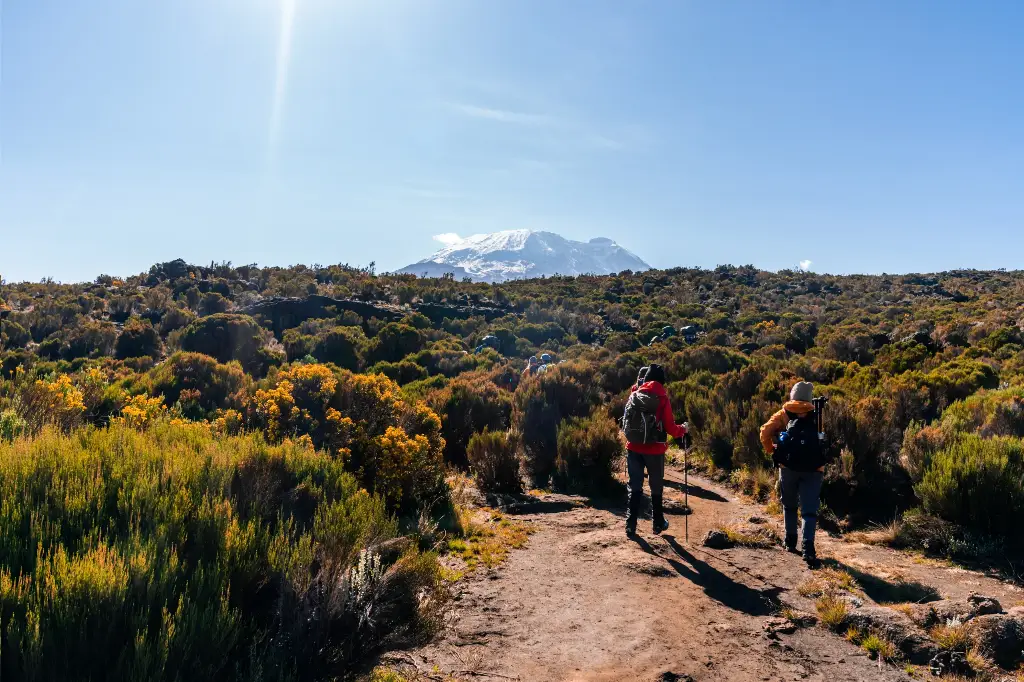
Climbing Mount Kilimanjaro is one of Africa’s most rewarding adventures, but before you go, it’s important to understand what shapes the cost. Factors like routes, trip length, park fees, food, crew support, and equipment all influence your overall climbing experience.
The Average Cost of Climbing Kilimanjaro
Most climbers spend somewhere between $2,000 and $6,000 for their trek. Budget climbs can dip below this range, but they often cut corners on safety, equipment, or staff treatment. Premium climbs can go above $6,000, offering luxury tents, gourmet meals, and extra services.
When evaluating cost, ask yourself:
Special Mention: Kingse Safaris Africa ensures every Kilimanjaro climb is rooted in safety, quality, and fairness. Unlike budget operators that may compromise porter welfare or equipment standards, we guarantee fair wages, proper gear, nutritious meals, and safe conditions for our entire crew. Our guides uphold strict safety practices, with professional medical support and reliable equipment included in every trek. Choosing us means securing your summit success while supporting responsible and ethical mountain tourism in Tanzania.
The Human Cost of Cheap Operators
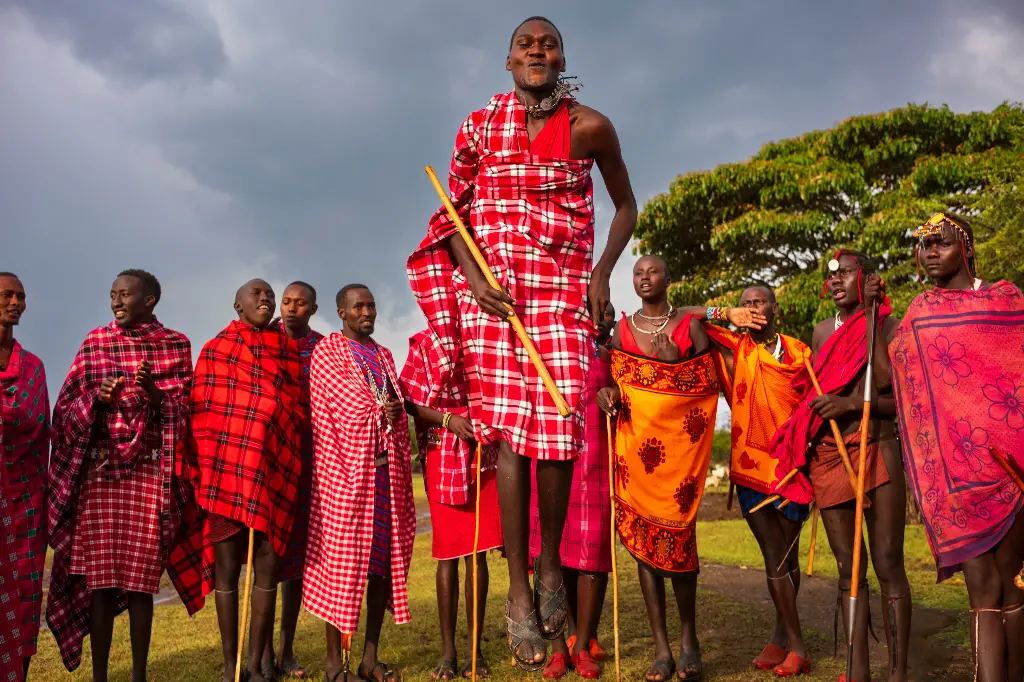
Behind every successful summit is a hardworking team of guides, porters, and cooks. Sadly, many budget operators cut costs at the expense of these staff members. This means porters might not be paid fairly, provided with proper gear, or given nutritious food.
At responsible companies, porters and guides are treated with dignity—receiving fair wages, proper clothing, and comfortable sleeping conditions. Choosing the right operator ensures not only your safety but also that of the crew who support you every step of the way.
Safety and Wellbeing: Why Cutting Costs Isn’t Worth It
Kilimanjaro is not just any other hike. It’s a challenging high-altitude climb. That’s why safety and proper preparation are critical. At the very least, a reliable operator should provide:
Compromising on these can turn your adventure into a dangerous gamble.
Breaking Down the Real Costs
Several fixed costs make up the bulk of any Kilimanjaro climb. Understanding them helps explain why climbs are priced as they are:
Breaking Down the Real Costs
Park fees are unavoidable and cover conservation, ranger services, and maintenance. For example:
On a 7-day Machame route, these alone add up to nearly $800–$1,000 per climber.
Staff Wages
Fair wages for guides and porters amount to about $80–$150 per climber per day, depending on group size. This ensures porters aren’t overloaded and that your team is motivated and well-equipped.
Food, Water, and Transport
Food costs about $10–20 per climber per day, covering meals for both climbers and staff. Transportation to the gate is also an expense, usually around $100 per trip. Quality operators invest in nutritious meals and trained mountain chefs, not cut corners.
Equipment
Climbing gear takes a beating on the mountain, so operators must replace it regularly. Expect:
Good equipment is essential for comfort and summit success.
Route Choice and Its Impact on Cost
The route you choose has a significant impact on the total price. Shorter routes like Marangu (5–6 days) cost less, but they also have a lower summit success rate due to poor acclimatization. Longer routes like Lemosho (7–8 days) or Northern Circuit (9–10 days) are pricier but significantly increase your chances of reaching the summit safely.
Here’s a quick overview:
Other Costs to Budget For
Your climb cost isn’t just what you pay the operator. Be prepared for additional expenses like:
Wrapping It Up
Climbing Kilimanjaro is an adventure of a lifetime, and while the cost may seem steep, it reflects much more than just park fees and meals. It covers your safety, the fair treatment of your crew, proper acclimatization, and the preservation of this iconic mountain.
Choosing the right operator means striking a balance between affordability and quality. Avoid the traps of “too cheap to be safe” or “overpriced luxury” and instead look for a company that values both climbers and staff. With the right planning and the right team, your Kilimanjaro climb will be worth every penny—an unforgettable journey to the Roof of Africa.
 FR
FR DE
DE ES
ES





 Arusha National Park
 Serengeti National Park
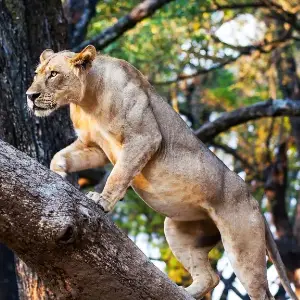 Lake Manyara National Park
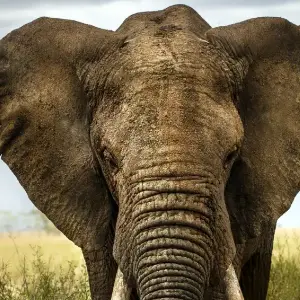 Tarangire National Park
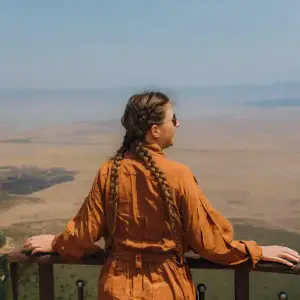 Ngorongoro Crater
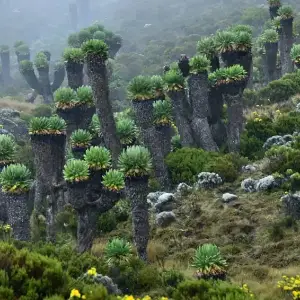 Kilimanjaro National Park