Kilimanjaro Tipping Guide
Tipping on Kilimanjaro is a long-standing tradition that supports the hardworking crew who guide, cook, and carry gear. This guide explains why tipping matters, who to tip, and the ceremony itself, turning gratitude into an essential part of your climbing journey.
Why Tipping Matters on Kilimanjaro
Tipping is more than just a custom on Mount Kilimanjaro. It’s an essential part of a crew member’s income.
Who Makes Up the Kilimanjaro Crew?
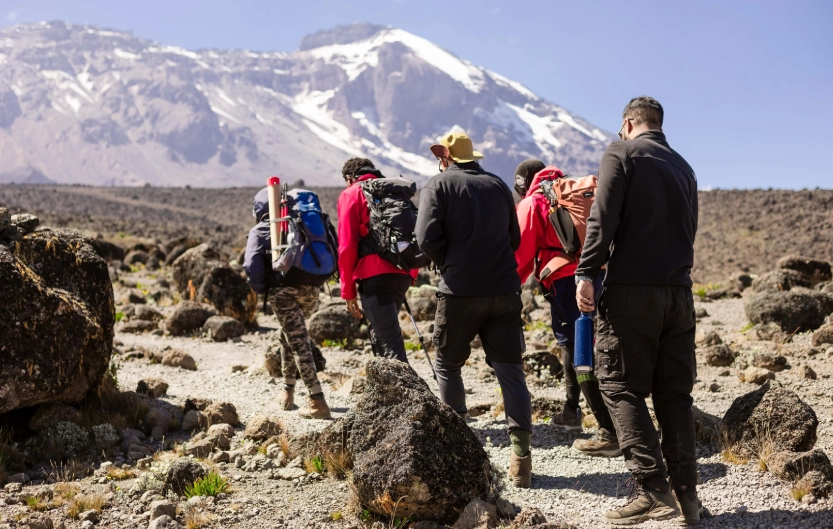
Every climb requires a dedicated team. The size of the crew depends on your group size and route, but the structure usually includes:
These crew members work behind the scenes every day to make your climb smooth and safe.
Typical Crew Size
The number of crew members grows with the number of climbers.
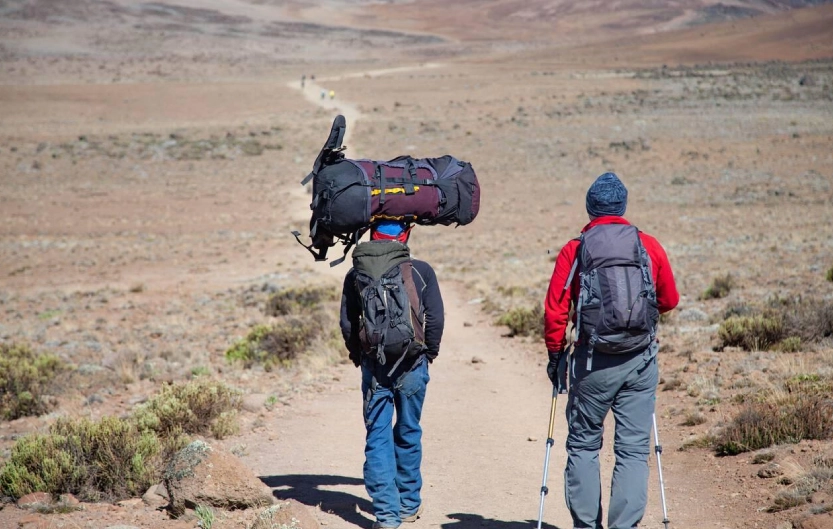
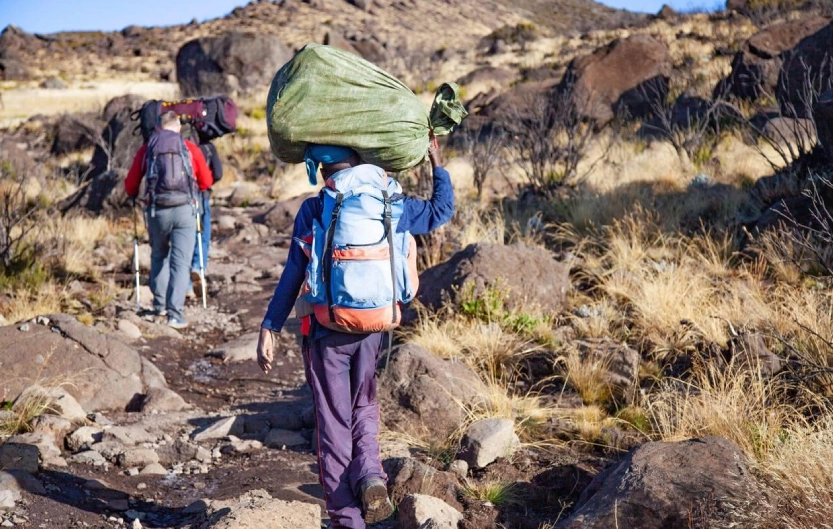
Since everything—from tents and cooking gear to chairs and toilets—must be carried up and down the mountain, the ratio of porters to climbers is usually three porters per trekker.
How Much Should You Tip?
Tipping amounts vary depending on climb duration, group size, and service received. The following are recommended daily amounts (per crew member):
Important: These are shared group amounts, not per climber. For example, if your group has four climbers, the total recommended tips will be divided among you.
How to Handle Tipping
Tipping on Kilimanjaro needs a bit of planning before you even set foot on the mountain. Since you won’t find ATMs or banks once your trek begins, it’s essential to carry the correct currency and denominations with you. The most commonly used currency is the US dollar, though Tanzanian shillings are also accepted. Crew members rely on tips as part of their income, so preparing this ahead of time helps ensure the ceremony at the end of your climb goes smoothly.
During the tipping ceremony, it’s customary for trekkers to personally hand over tips to the crew members as a group. This moment is more than a transaction—it’s a way to show respect and gratitude for the incredible hard work your guides, porters, and cook have put in to make your climb possible.
When and How to Tip
The timing of your tip is just as important as the amount. Most groups present their tips during the final day on the mountain or once back at the park gate. This ensures that every member of the crew is present and can receive their fair share.
To make things organized, many groups choose a spokesperson to represent them during the ceremony. This person delivers a short thank-you message on behalf of the climbers and helps distribute the money fairly. Handing tips directly to each crew member avoids confusion, builds trust, and ensures that your gratitude reaches everyone who contributed to your climb.
Your Role in Fair Treatment
Tipping isn’t just tradition. It’s part of climbing responsibly. Your contribution helps porters and guides support their families, access education, and maintain a sustainable livelihood. By tipping fairly and climbing with ethical operators, you directly impact their well-being and preserve Kilimanjaro’s guiding culture.
 FR
FR DE
DE ES
ES






 Arusha National Park
 Serengeti National Park
 Lake Manyara National Park
 Tarangire National Park
 Ngorongoro Crater
 Kilimanjaro National Park