Kilimanjaro Climbing Foods
Food is vital to Kilimanjaro’s success. At altitude, your body needs energy, and mountain chefs prepare fresh, balanced meals daily. From hearty soups to comforting snacks, every dish fuels your climb, lifts your spirit, and keeps you strong for the summit ahead.
Meals Throughout the Day
Your Meals on Kilimanjaro looks somewhat like the list mentioned below:
Breakfast – A Strong Start
Your mornings begin with a nourishing hot breakfast. It gives you the strength for several hours of trekking before your first rest. Expect:
Lunch – Midday Energy
Lunch is often packed in your daypack for convenience on the trail. It’s simple, light, but packed with the energy you need. At times, hot lunches are also served at camp, depending on the day’s route. Typical items include:
Dinner – Comfort After a Long Trek
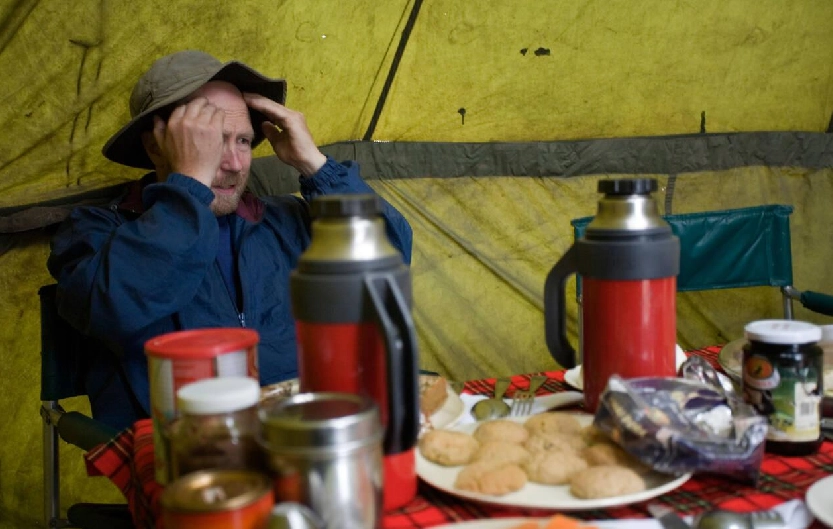
Dinner is the most anticipated meal, served in a warm dining tent after a long day of climbing. It’s wholesome, filling, and comforting, designed to restore energy. Expect:
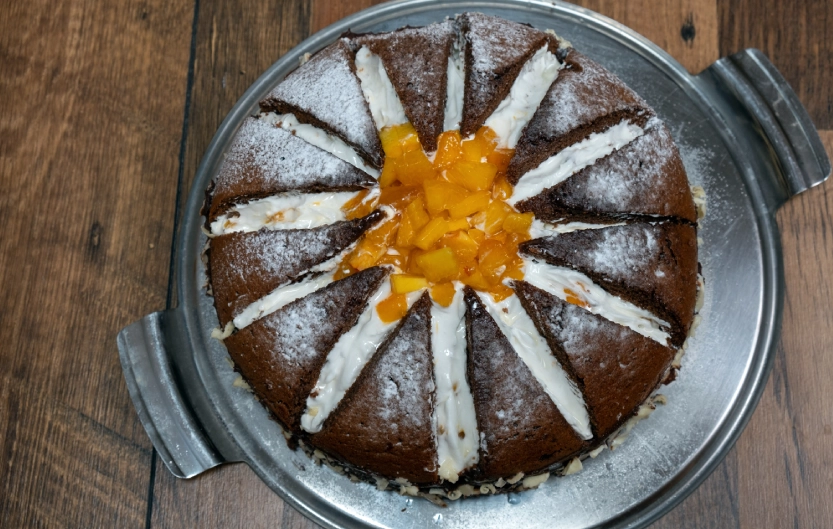
Snacks and Treats on the Mountain
Small comforts make a big difference at altitude. You’ll often find:
Dietary Needs and Flexibility
We take dietary requirements seriously. So, whether you’re vegetarian, vegan, gluten-free, or have other preferences, meals can be adjusted with advance notice. For particular diets, climbers may bring personal snacks like protein bars or electrolyte mixes. Communication with guides and chefs ensures your meals meet your energy needs while fitting your lifestyle.
Why Carbs Are Key on Kilimanjaro
At altitude, consuming heavy proteins or fats can feel challenging. Carbohydrates, however, are digested quickly and provide fast energy. Research shows they improve oxygen efficiency and reduce altitude sickness symptoms. That’s why our meals lean toward high-energy carbs, combined with proteins and vegetables for balance.
Drinking Water and Hydration
Clean, safe water is always available. All water is boiled, filtered, and purified before serving. Hydration is essential for acclimatization, and trekkers are encouraged to drink regularly.
What Makes Kilimanjaro Meals Special?
Unlike typical camping treks, Kilimanjaro climbs don’t rely on dehydrated packets. Our chefs prepare real meals using fresh produce carried up by porters. Many climbers are surprised by the variety and flavor available at such high altitudes. Nutritious, delicious meals often become one of the most talked-about parts of the trek experience.
Sample Daily Meal Plan on Kilimanjaro
| Meal |
Menu |
| Breakfast |
Porridge with honey, eggs & sausage, toast with jam, fruit, tea/coffee |
| Snack (Trail) |
Energy bar, nuts, or dried fruit |
| Lunch (Packed) |
Sandwich with chicken & vegetables, boiled egg, apple/orange, juice box |
| Afternoon Tea |
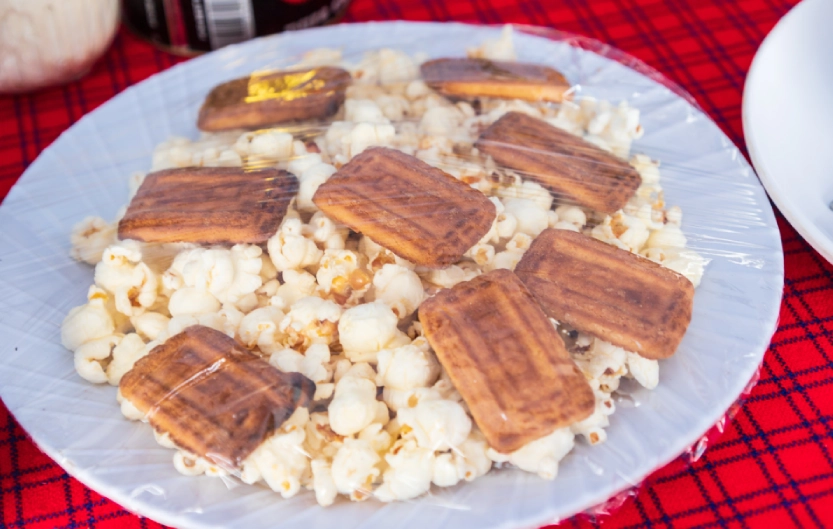
Salted popcorn, biscuits, peanuts, and hot chocolate |
| Dinner |
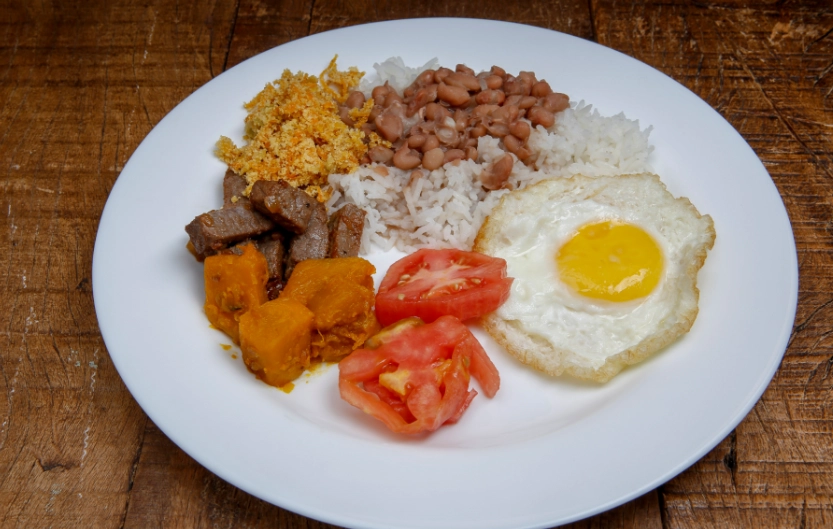
Pumpkin soup, grilled chicken with rice and vegetable sauce, cabbage, fresh fruit dessert, tea/coffee |
What Makes Kilimanjaro Meals Special?
Climbing Kilimanjaro is not just about walking to the top; it’s about staying fueled, healthy, and motivated along the way. With freshly cooked meals, safe water, and thoughtful menus, you’ll have the energy you need for the challenge. Many climbers say the food was not only a surprise, but also a comfort that gave them the strength to keep going.
 FR
FR DE
DE ES
ES




 Arusha National Park
 Serengeti National Park
 Lake Manyara National Park
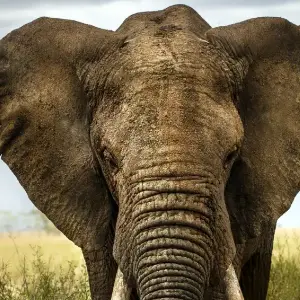 Tarangire National Park
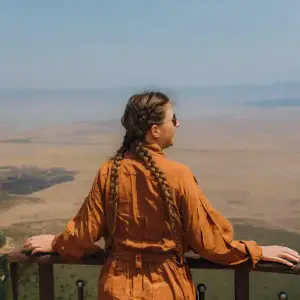 Ngorongoro Crater
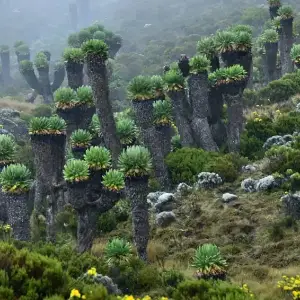 Kilimanjaro National Park