Masai Mara National Reserve

Home to Africa’s Iconic Big Cats and Legendary Wildebeest Migration.

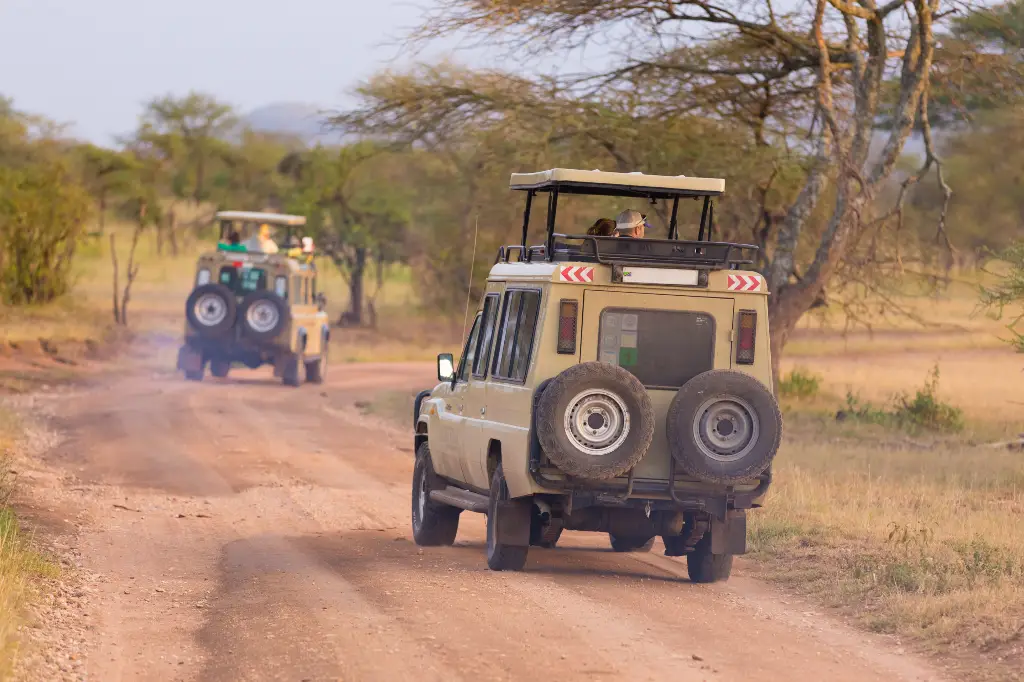
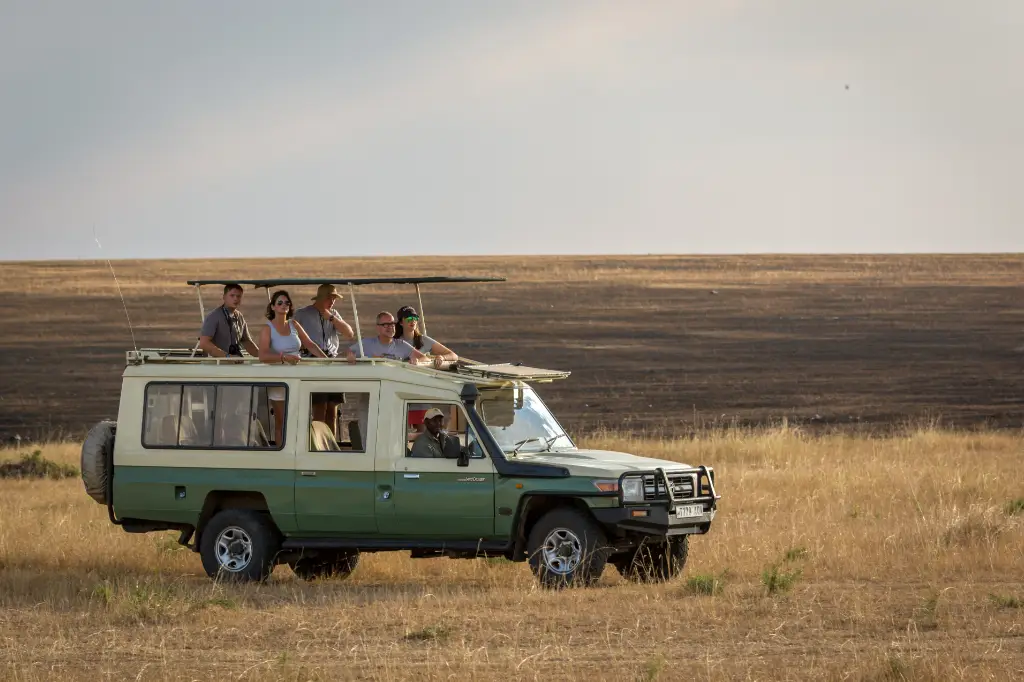
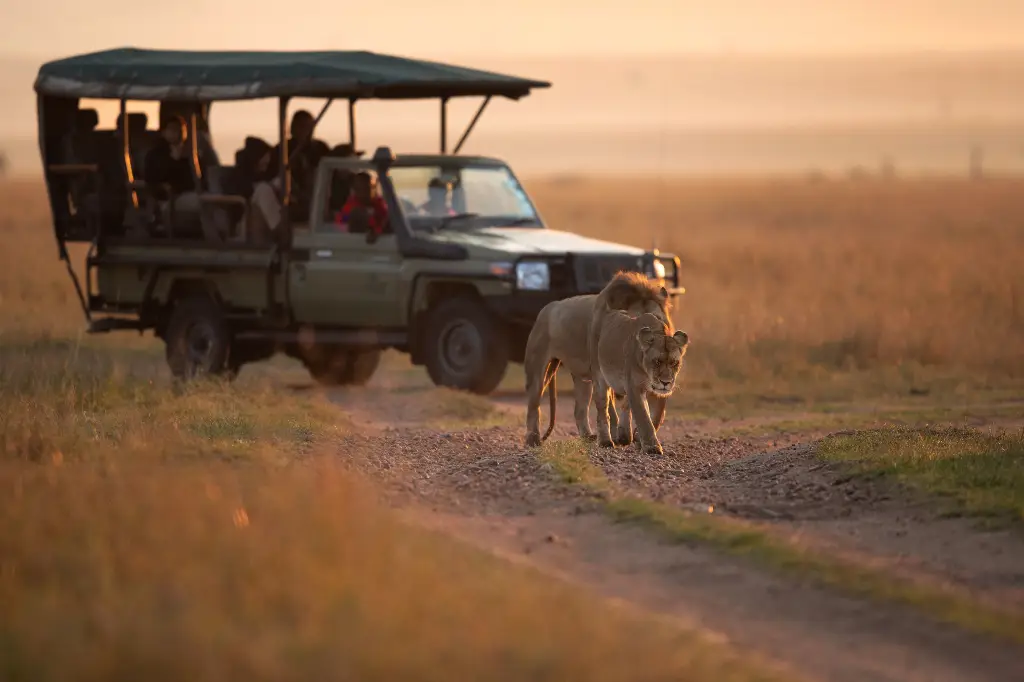
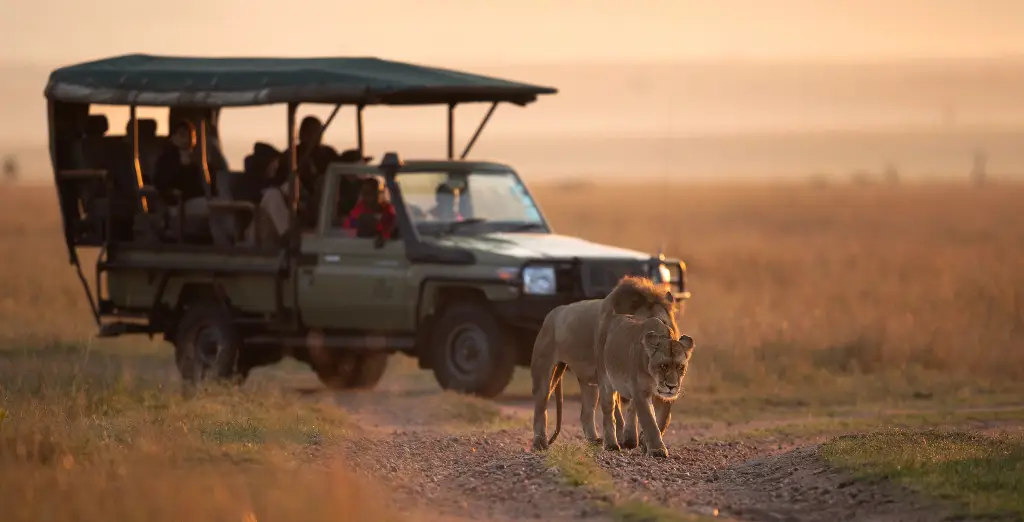
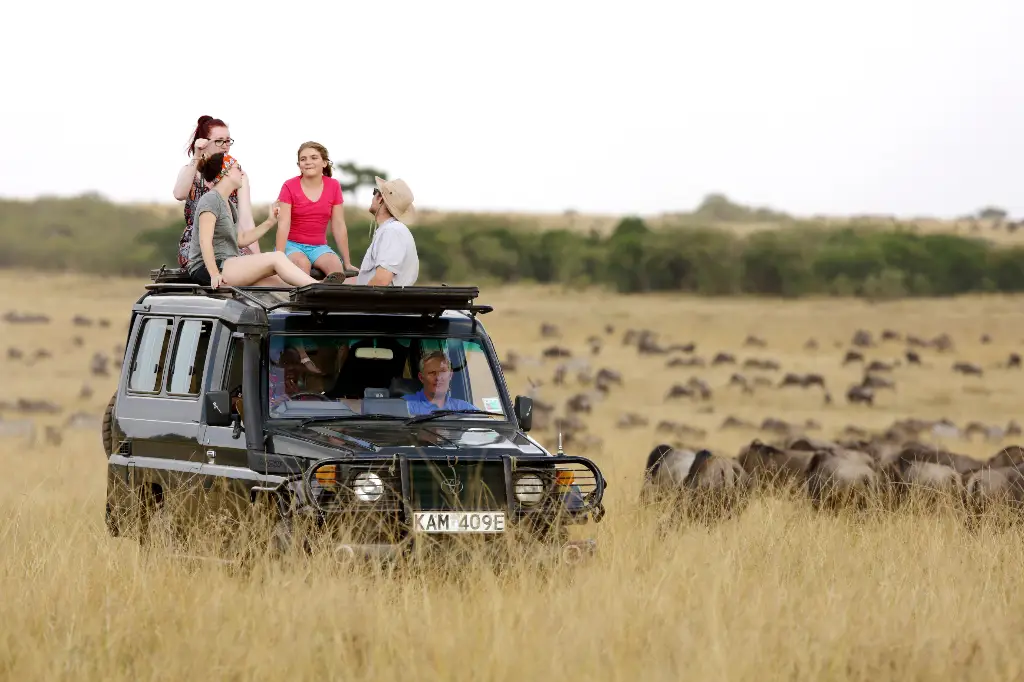
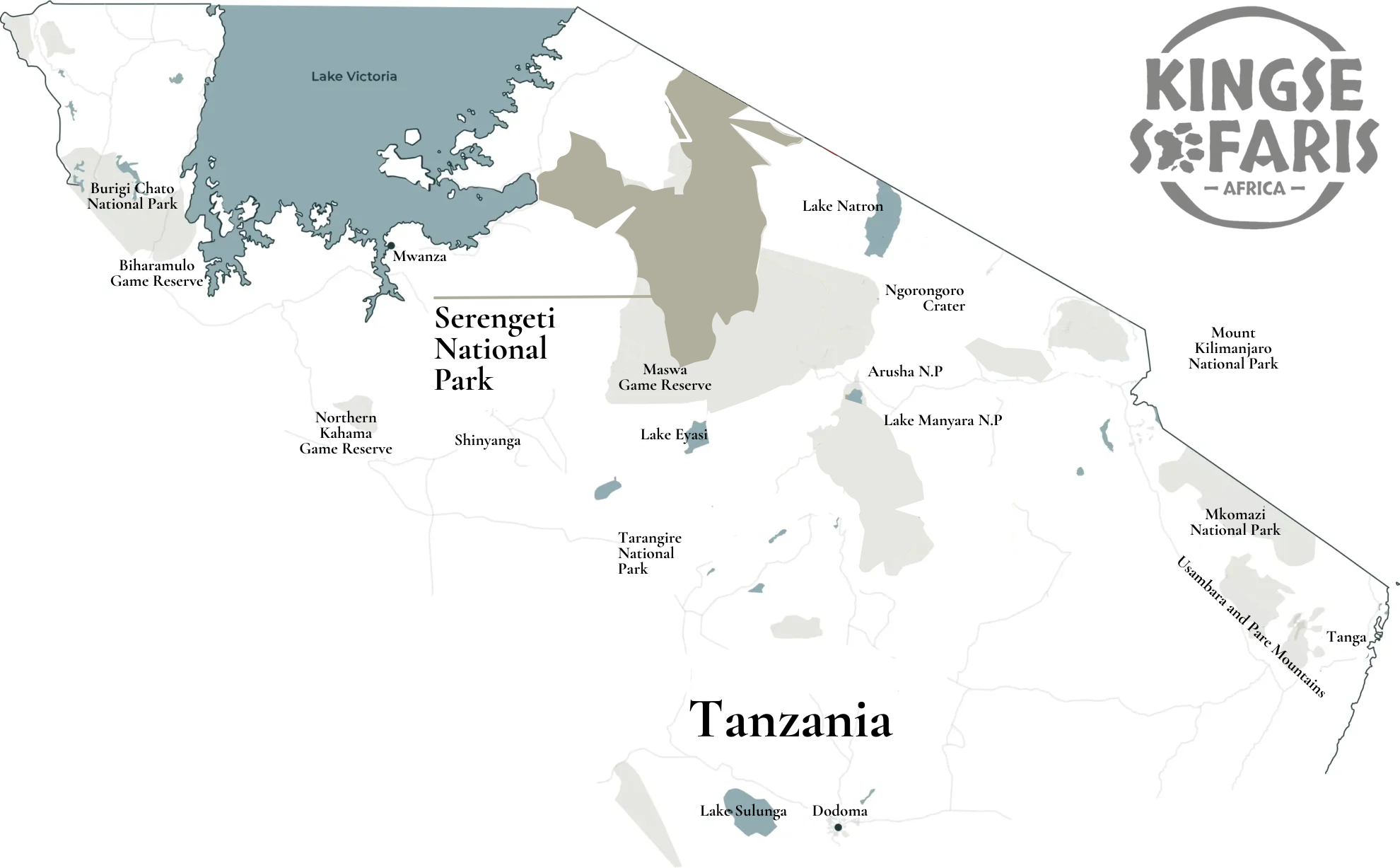
The Masai Mara National Reserve provides year-round wildlife encounters and Africa’s most stunning migration. Endless plains teem with predators and prey, providing spectacular safari experiences. From giant cats to vast herds, the Mara offers stunning views at every bend of your journey.

Area

1,510 sq km

Established

1961

Location

Southwest

Altitude

1,500 – 2,180 m

Climate

Moderate Tropical

Terrain

Rolling Grasslands

Fauna

Wildebeest Herds

Flora

Open Savannah

A Wildlife Haven Beyond Imagination in Kenya!

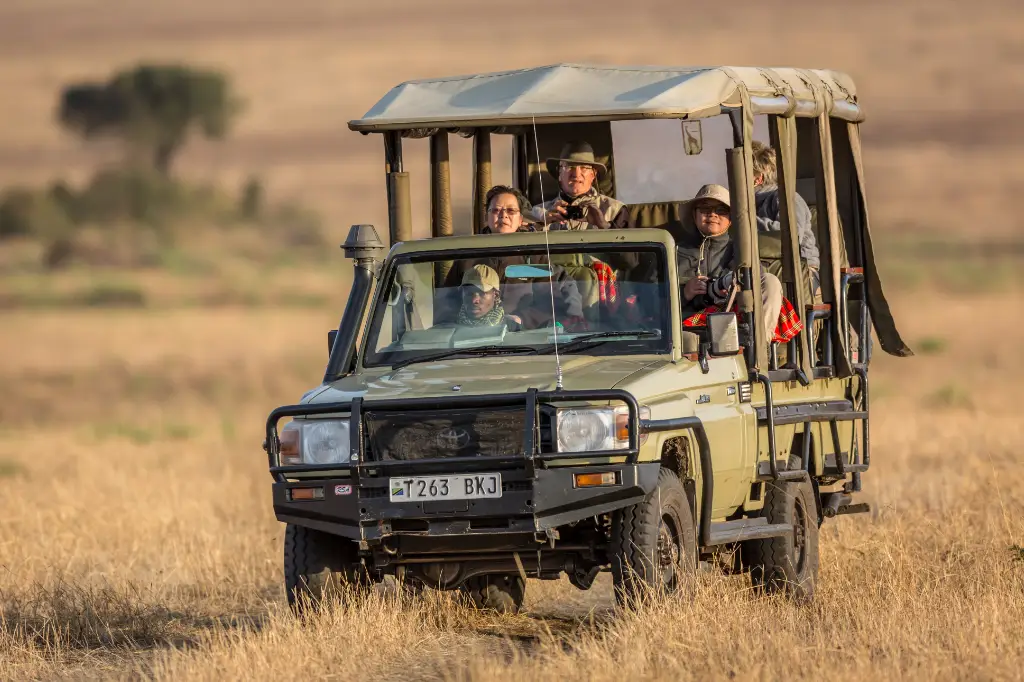
Masai Mara safari

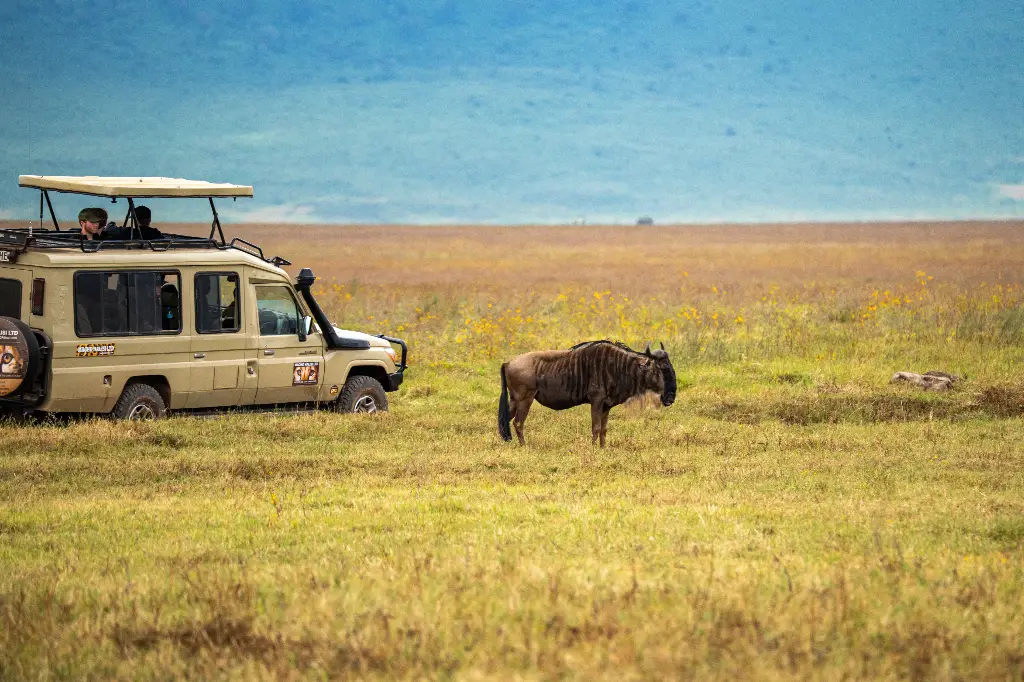
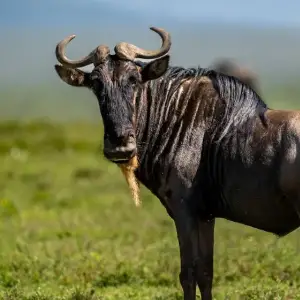
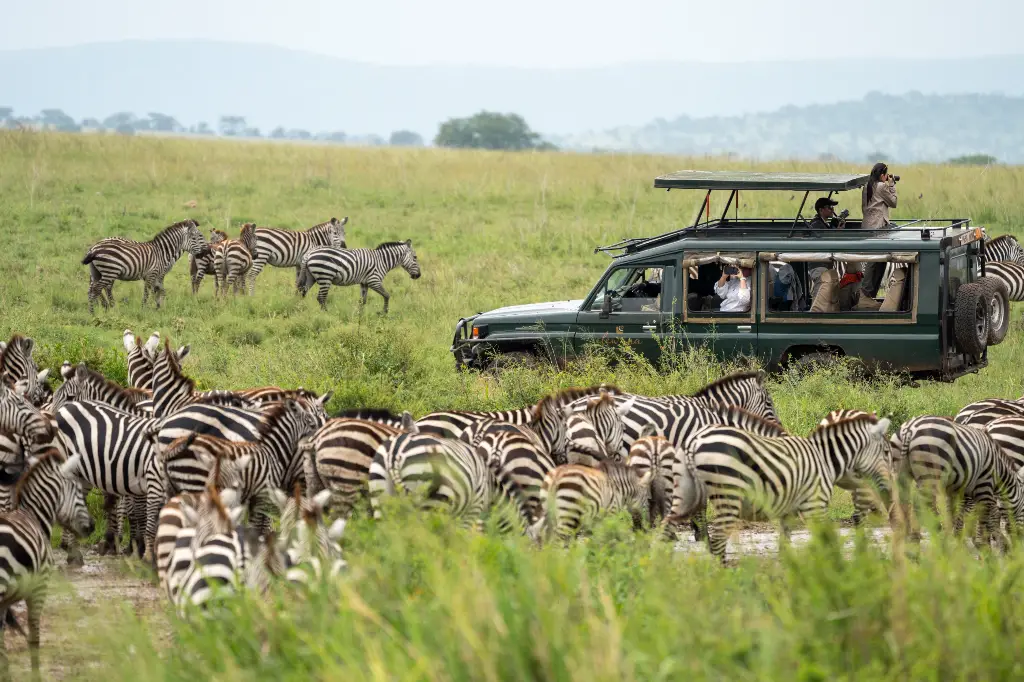
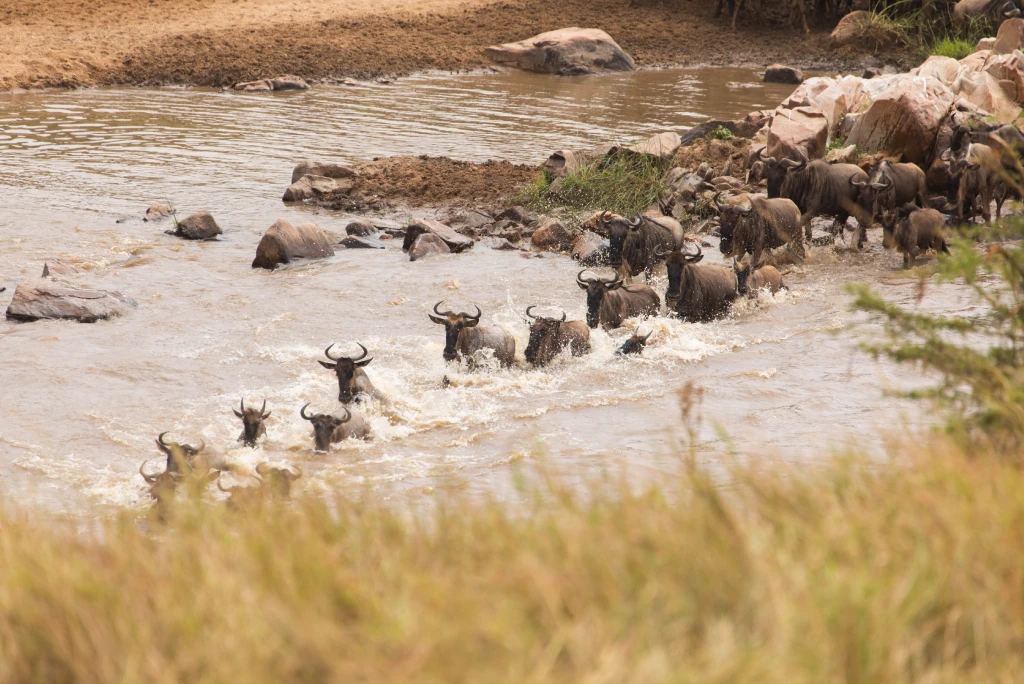
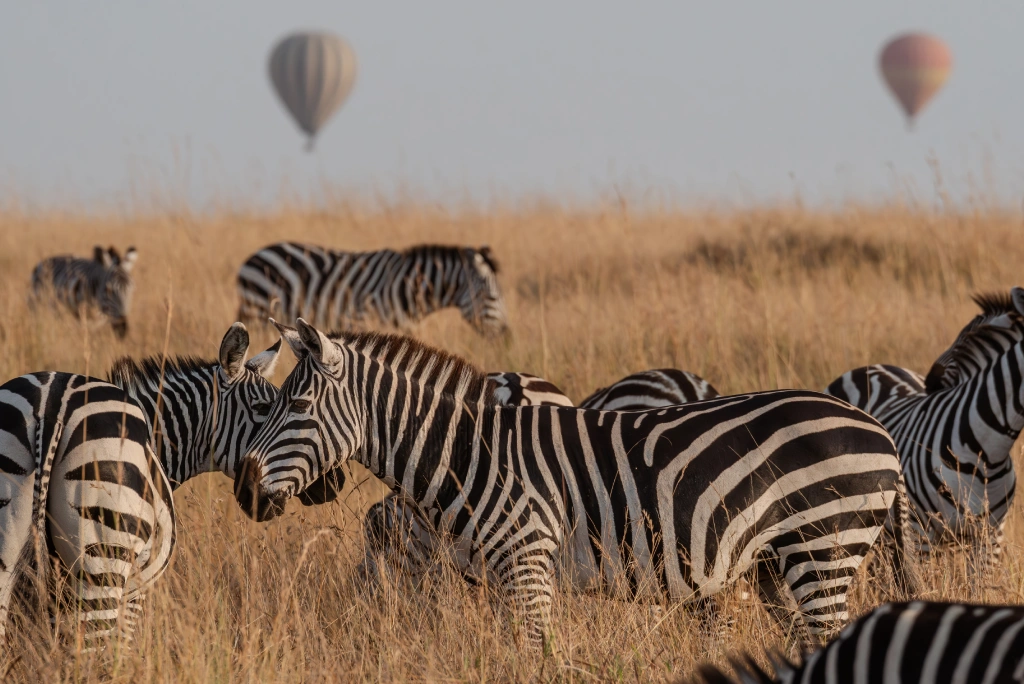
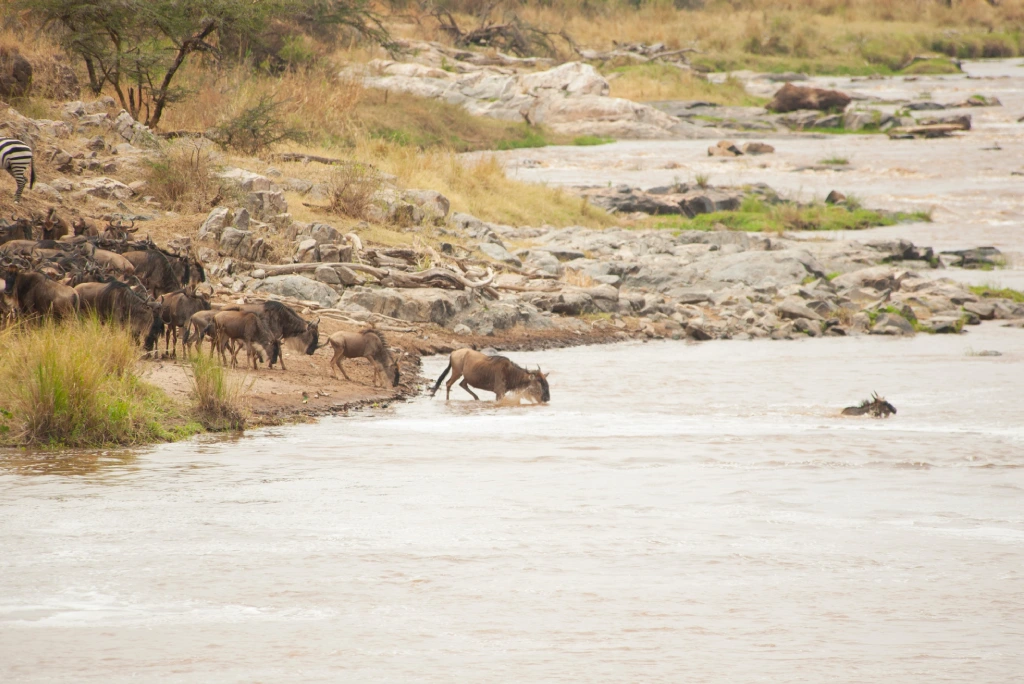
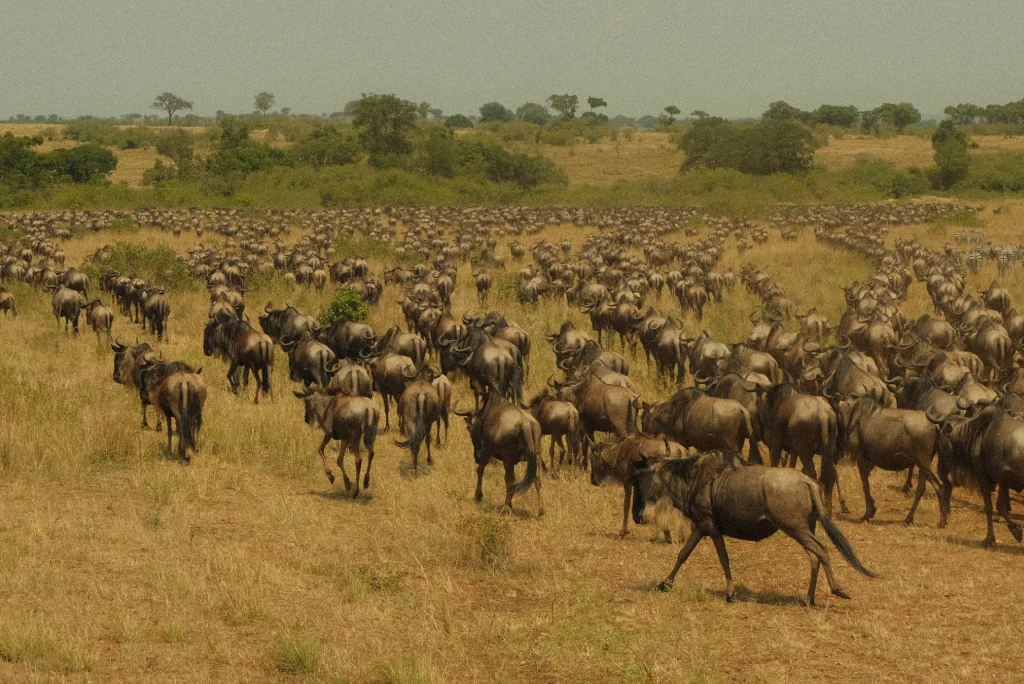
Between July and mid-September, the Masai Mara hosts the Great Migration, when over a million wildebeest and zebras migrate from the Serengeti, braving crocodile-infested waterways in a breathtaking natural drama.

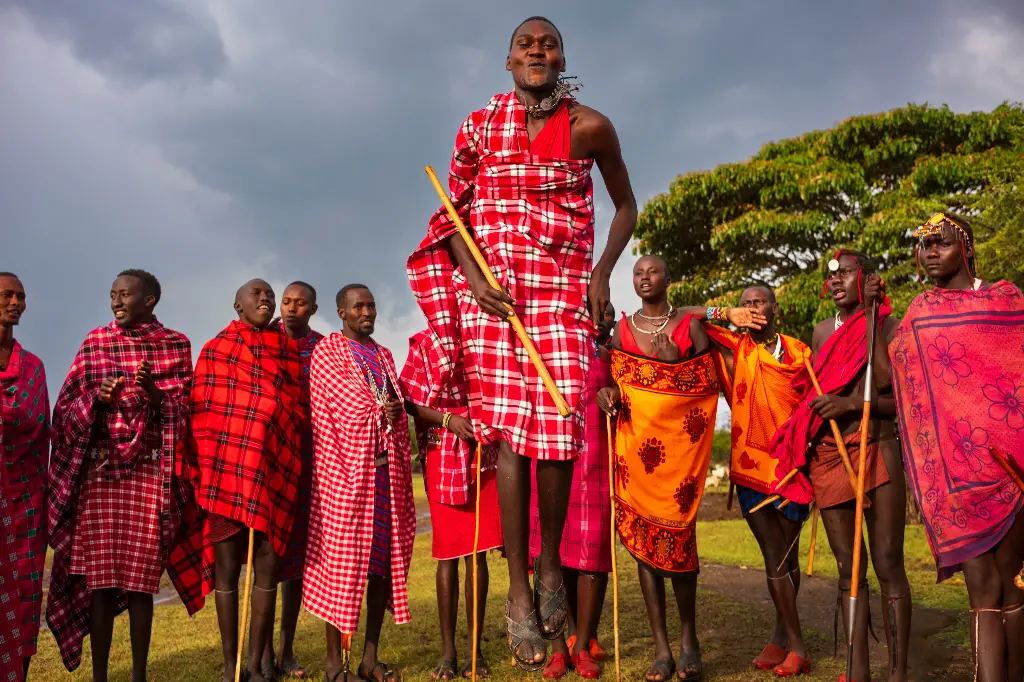
The reserve’s name is derived from the Maasai people, whose culture and traditions are inextricably linked to the land. A stay here guarantees fantastic animal viewing, cultural diversity, and timeless African beauty.

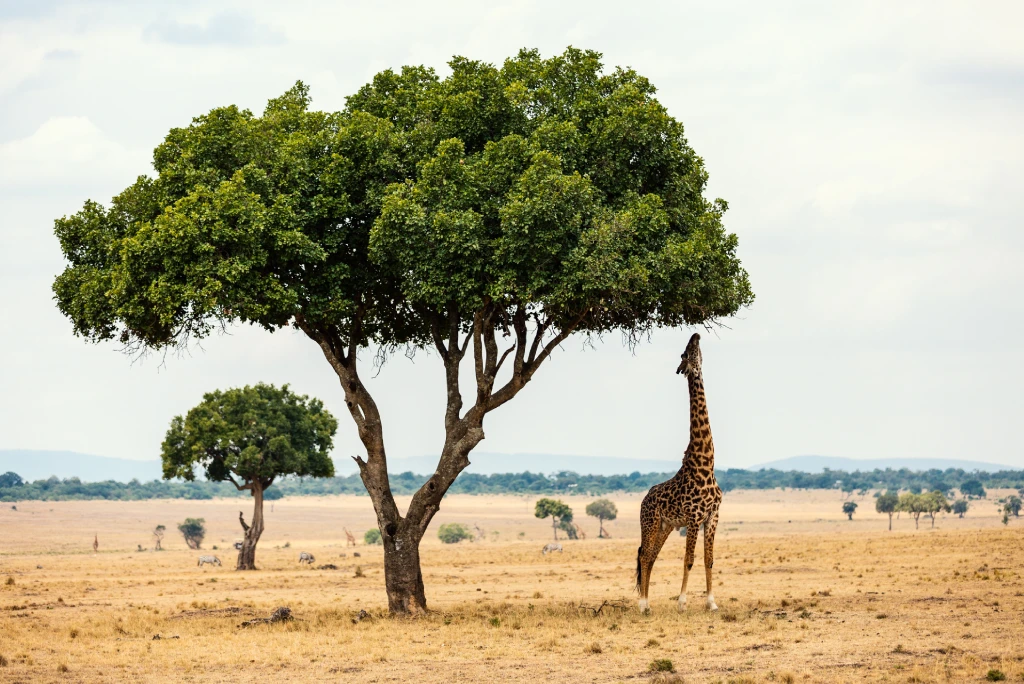
Masai Mara National Reserve is a world-renowned safari destination that combines stunning landscapes with spectacular wildlife experiences. It spans 1,510 square kilometres and features vast golden plains sprinkled with acacia trees against a backdrop of stunning African skies.

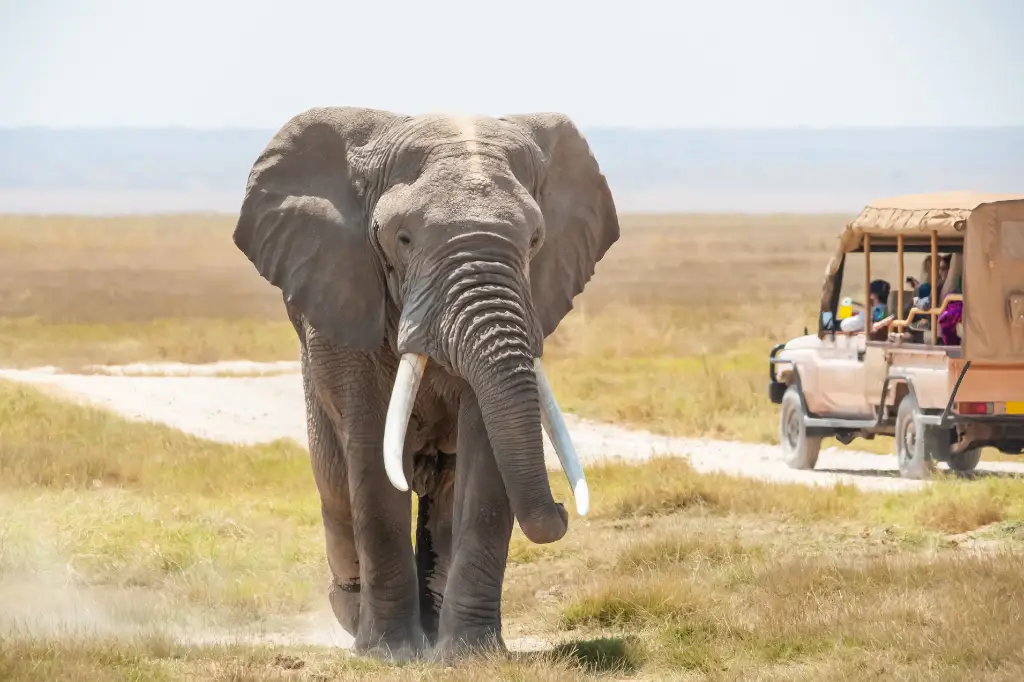
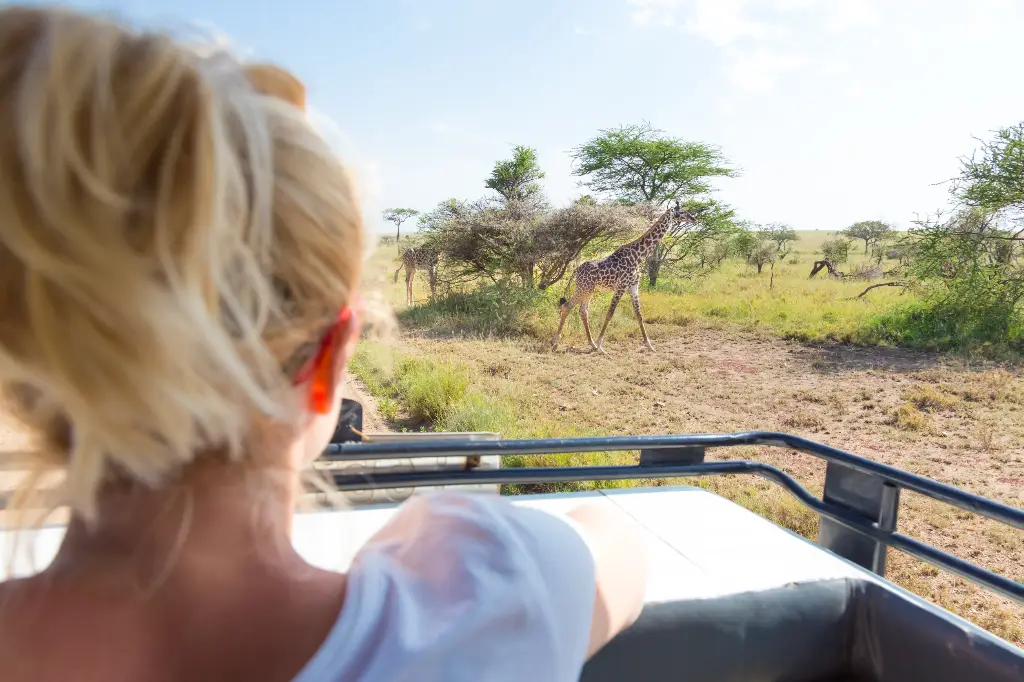
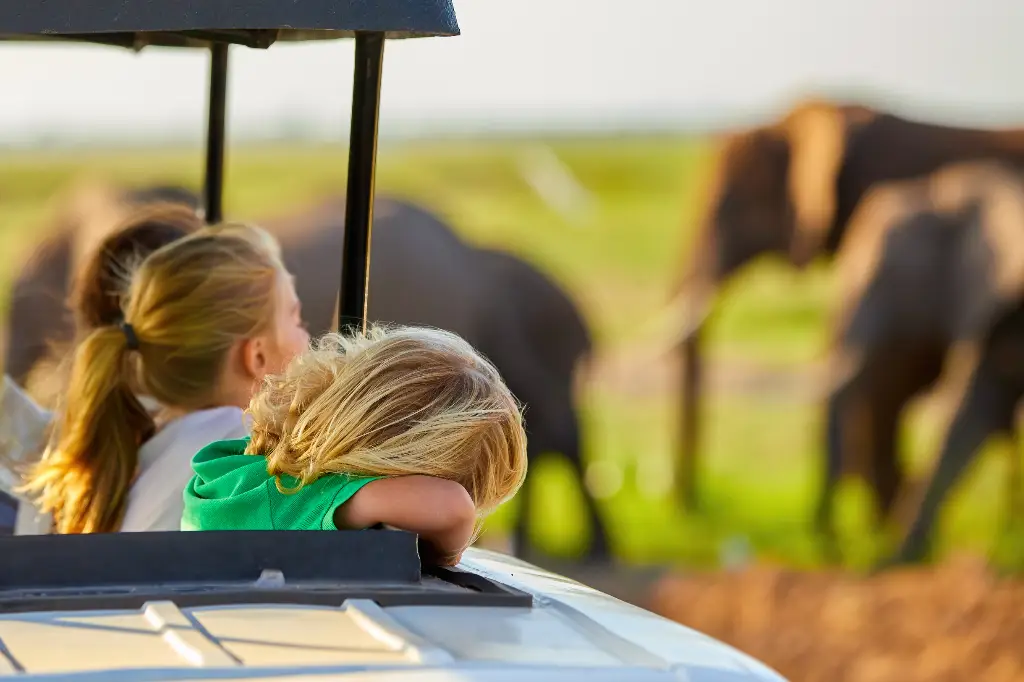
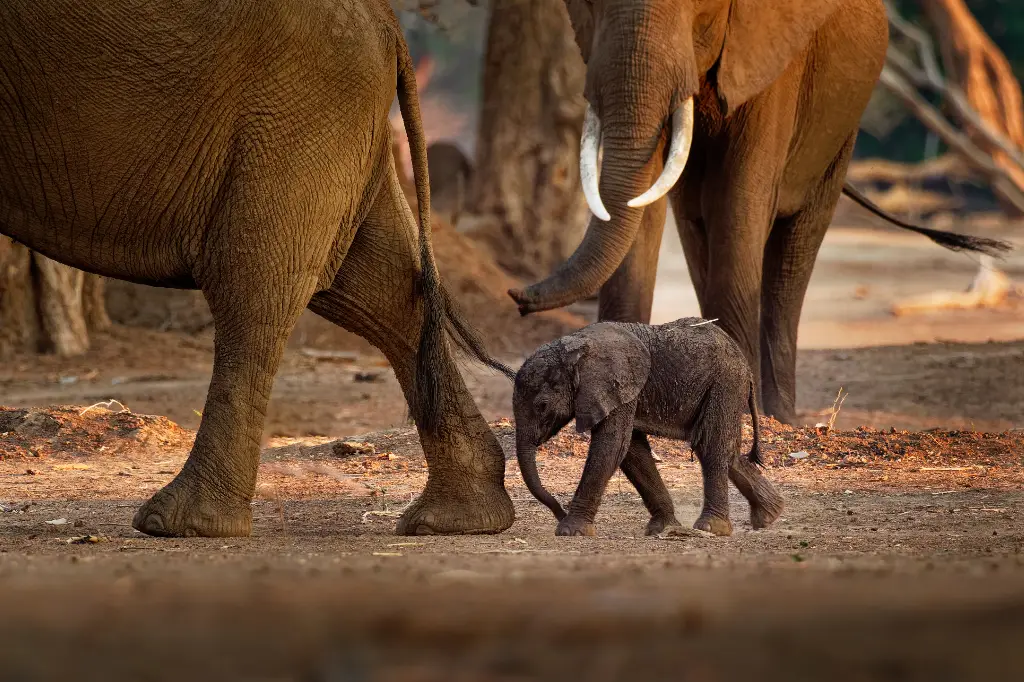
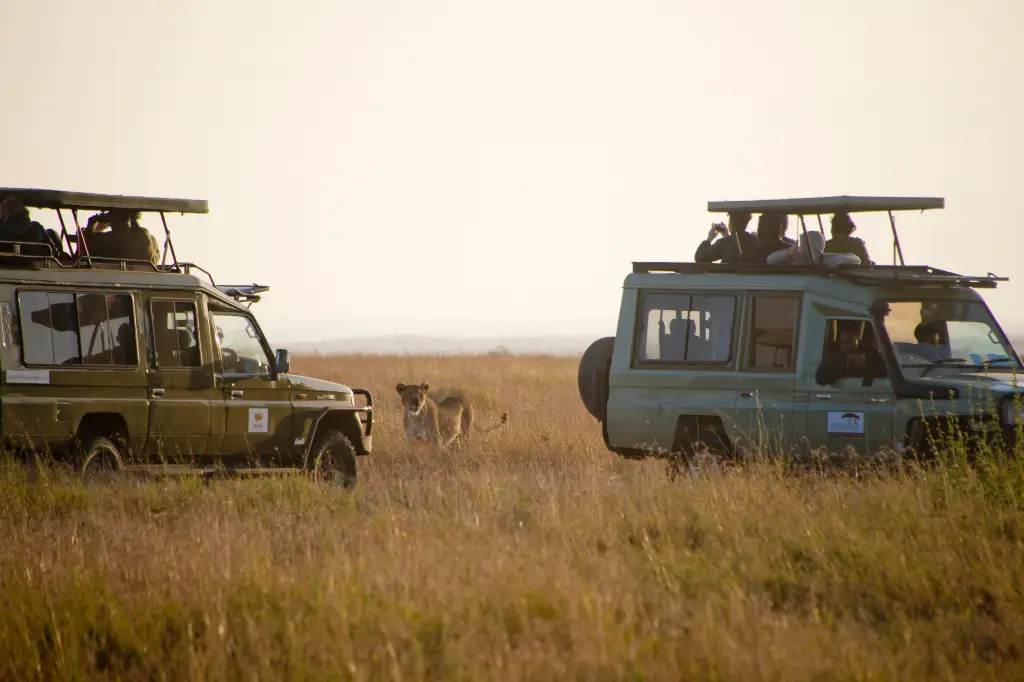
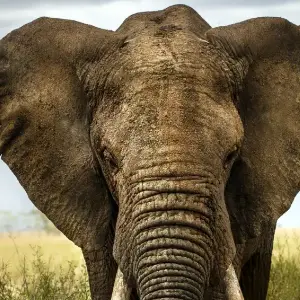
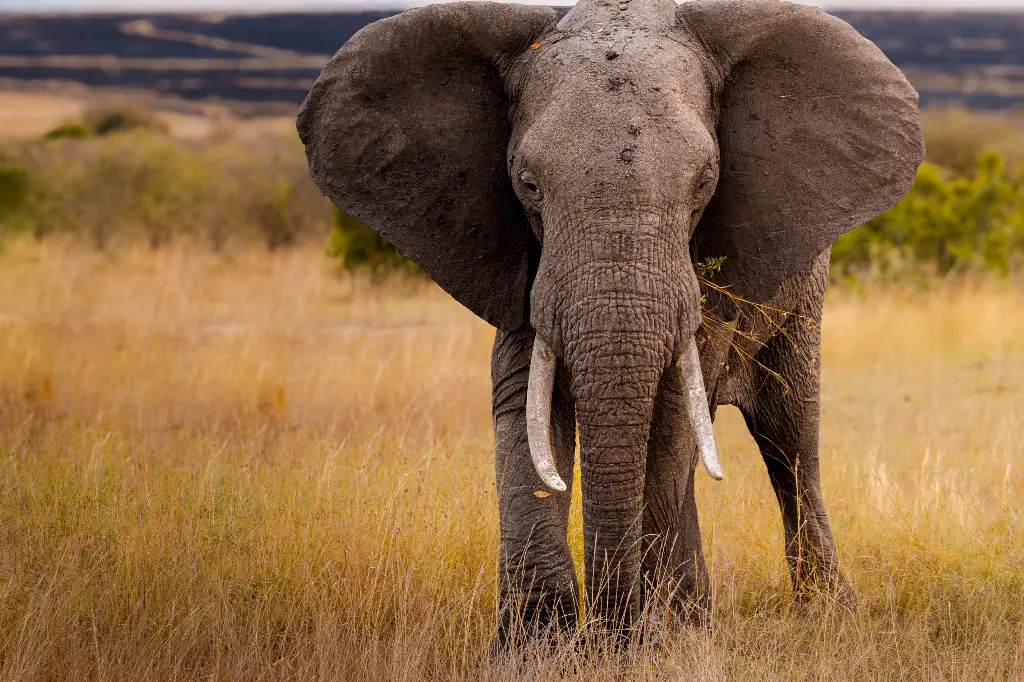
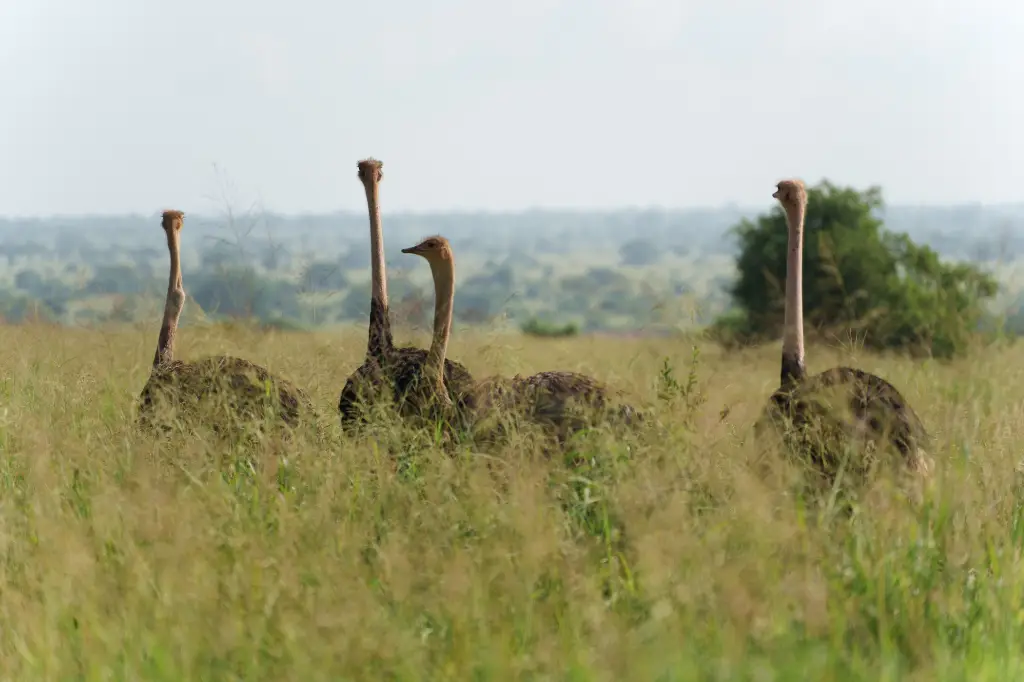
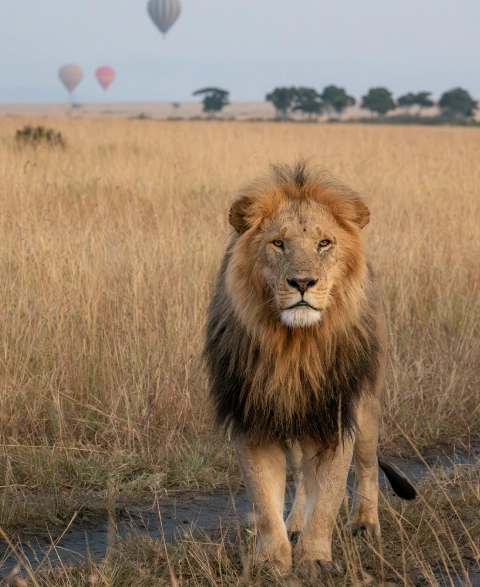
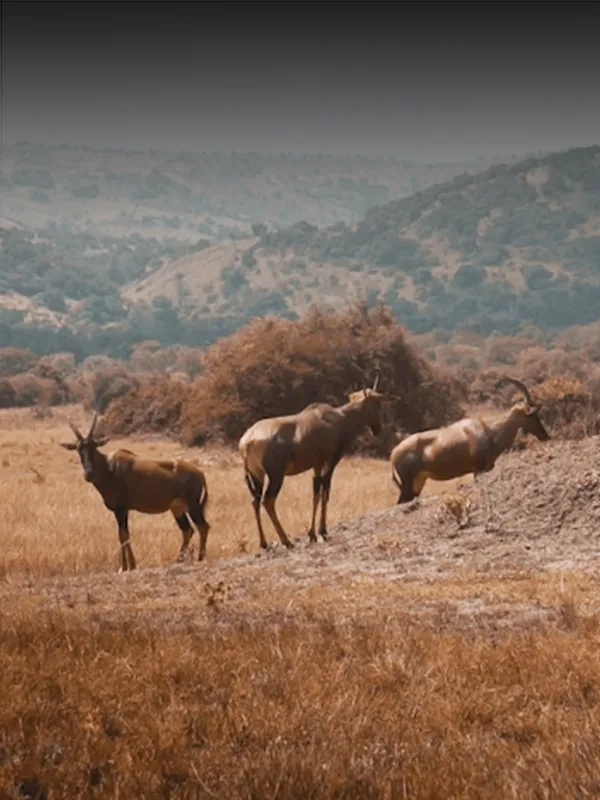
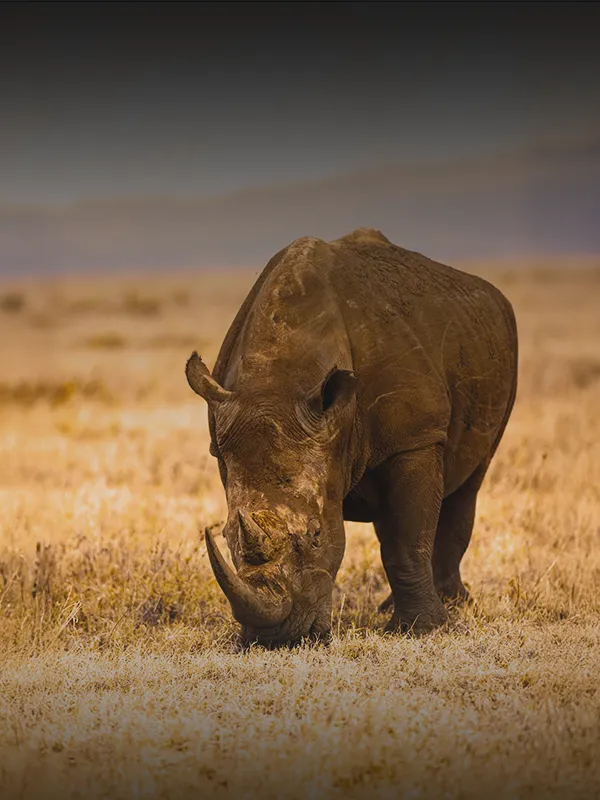
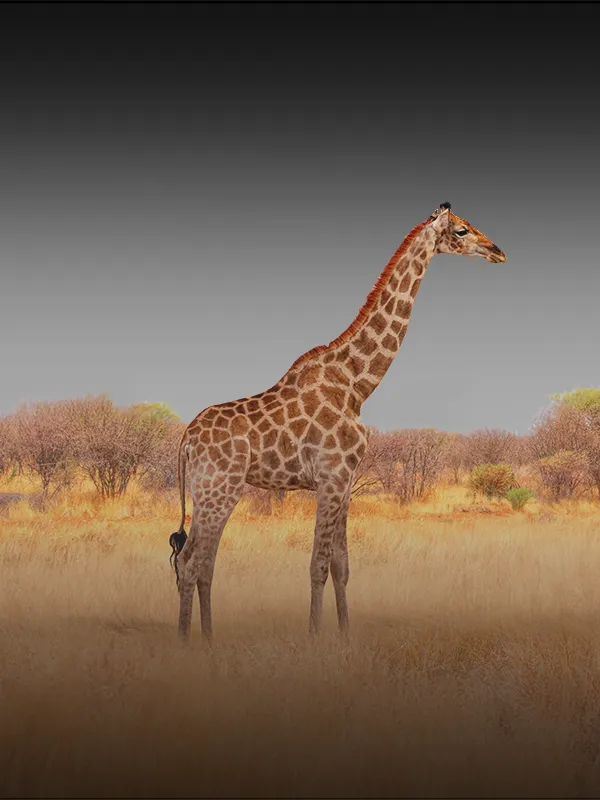
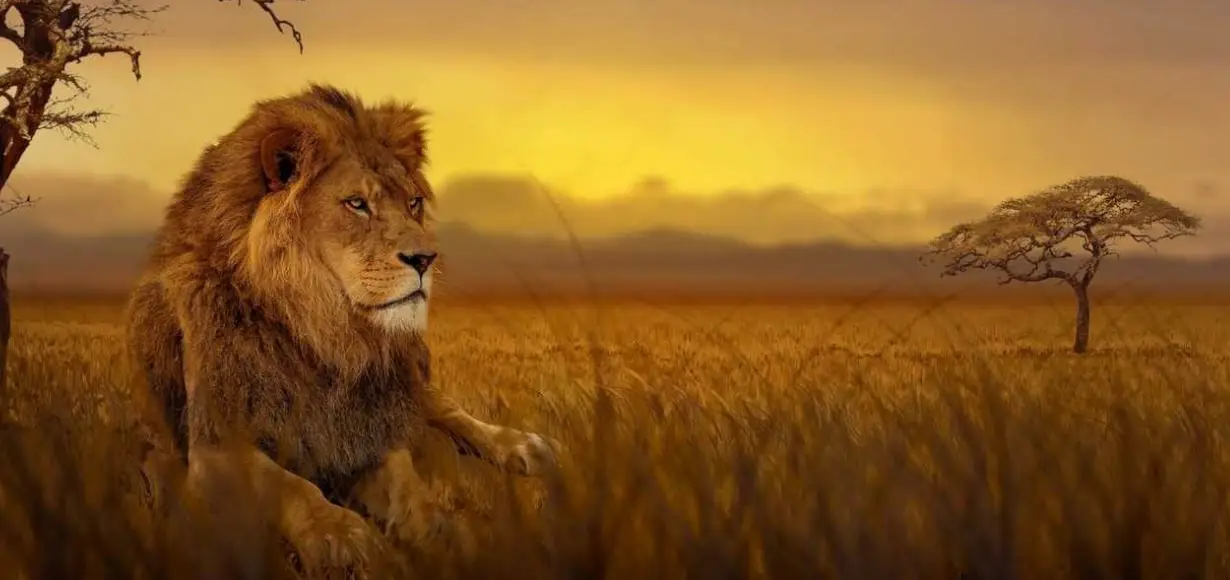
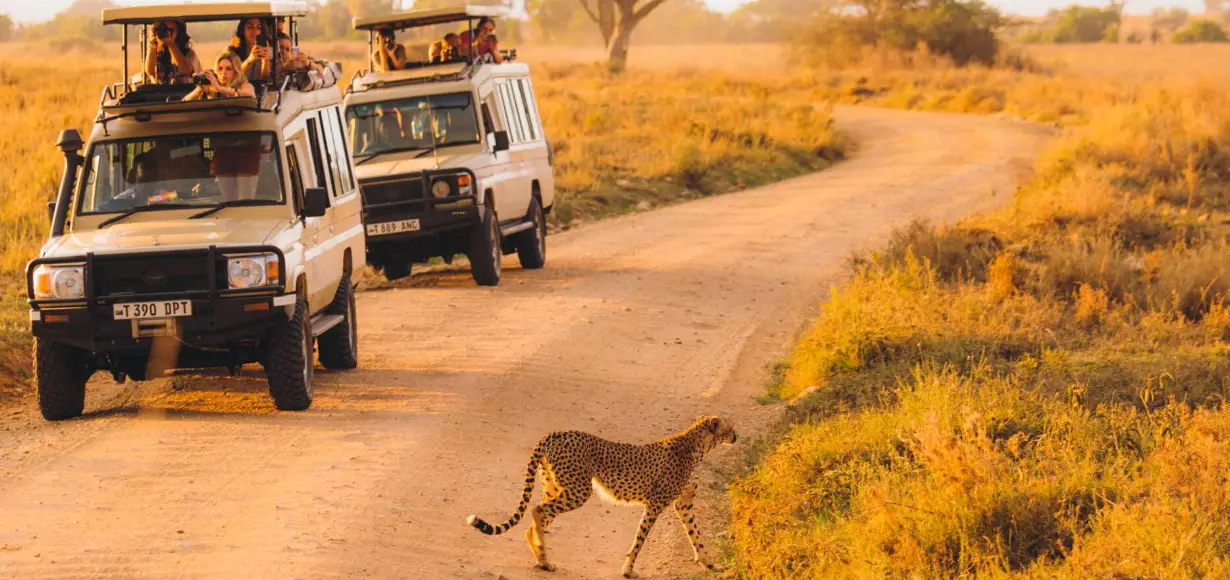
The reserve is home to an astounding diversity of animals, including all of the Big Five—lion, leopard, elephant, rhino, and buffalo—as well as cheetahs, giraffes, zebras, and countless antelope species that graze freely.

Masai Mara safari trips

Best Time to Visit Masai Mara National Reserve

The prime months for wildlife viewing are June to October, with July to October offering the best chance to witness the Great Migration in action across the reserve’s breathtaking landscapes.

Best Time

July to October

High Season

June to October

Low Season

April to May

Best Weather

June to October

Explore East Africa’s Top Safari Packages

Discover an incredible collection of East Africa’s best safari packages. From thrilling game drives and breathtaking landscapes to rich cultures and abundant wildlife, find the perfect journey across Tanzania, Kenya, Uganda, and Rwanda.

Why Masai Mara is Worth Visiting

Masai Mara safari

Tourism in the Masai Mara also supports local communities. Visitors help create jobs, promote cultural exchanges with the Maasai people, and contribute to Kenya’s economy through conservation and tourism activities.

Conservancies around the reserve provide additional protected land for wildlife. They also give local families opportunities to earn an income through land leases, creating a balance between nature and community development.

Masai Mara National Reserve is one of Kenya’s most important wildlife areas. It protects a large number of species and plays a central role in conservation.

The reserve is home to over 95 species of mammals and close to 550 types of birds. This makes it an excellent destination for both safari adventures and birdwatching.

Masai Mara travel tips
Masai Mara safari vacations

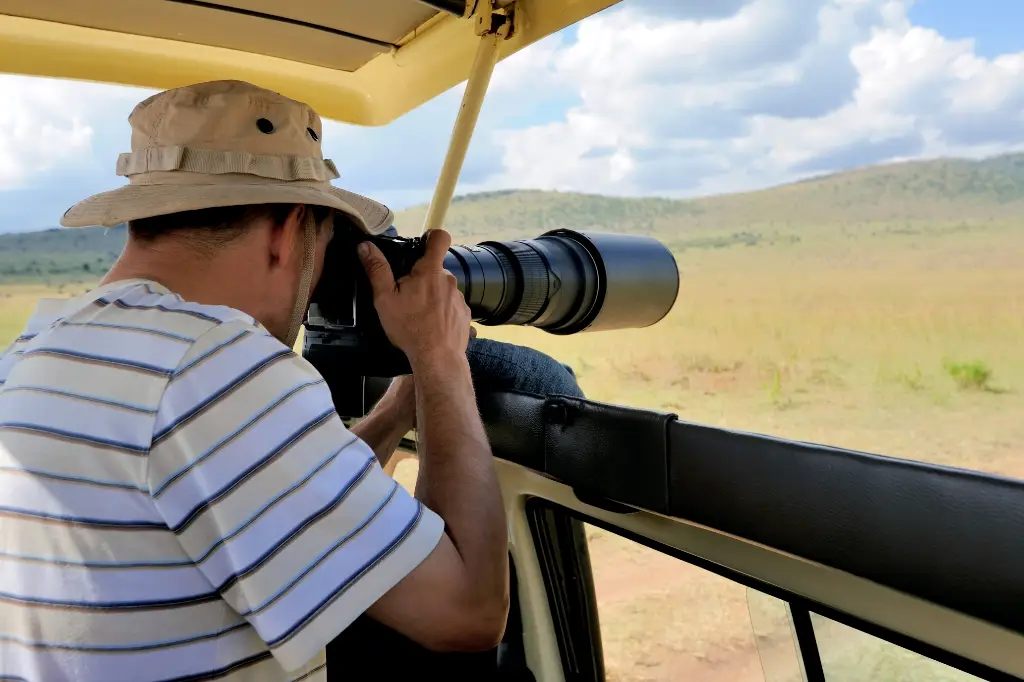
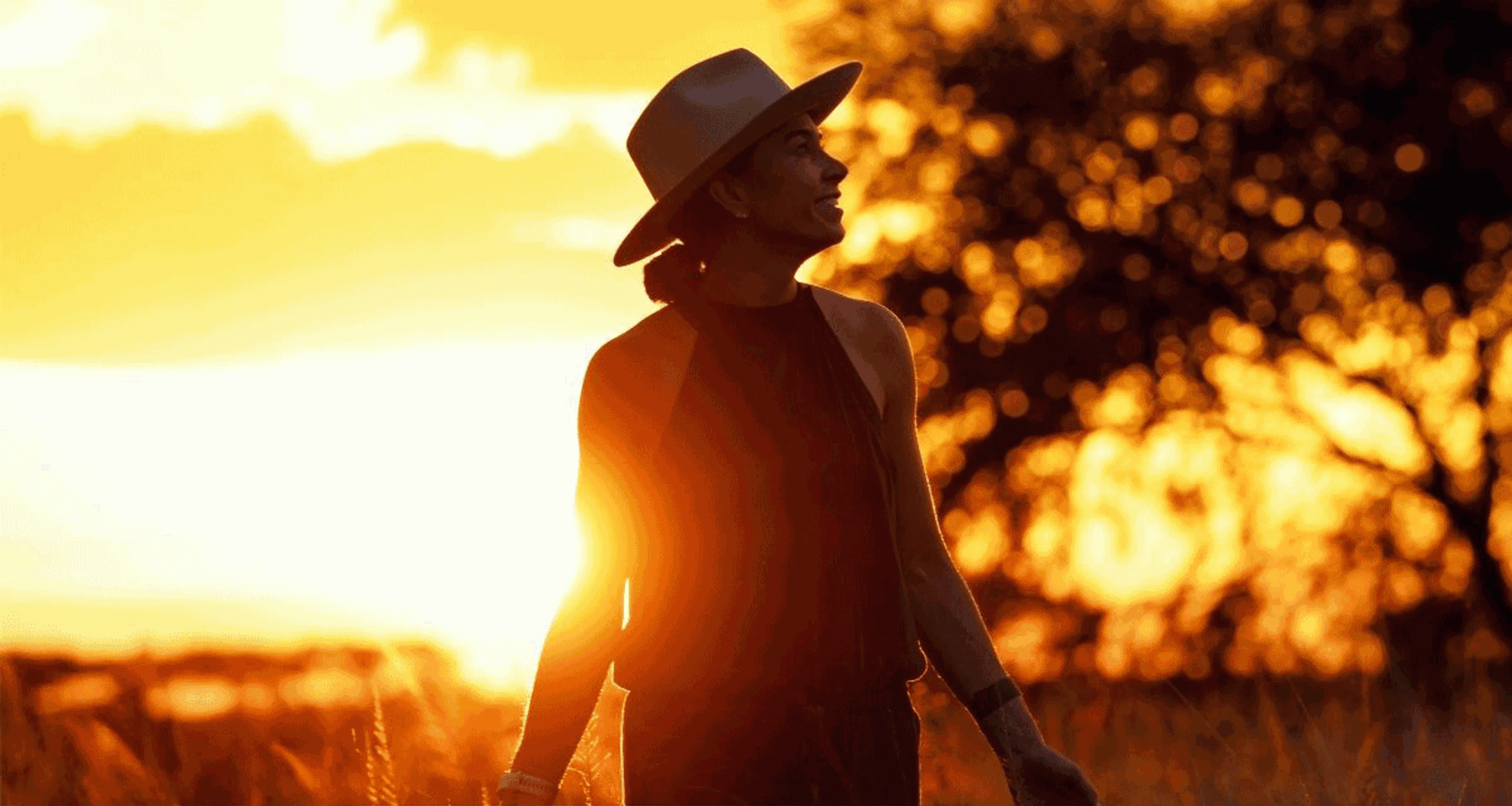
Beyond the migration, the reserve’s open grasslands and acacia-dotted scenery create a perfect setting for photography. Every sunrise and sunset fills the landscape with golden light, capturing the essence of wild Africa.

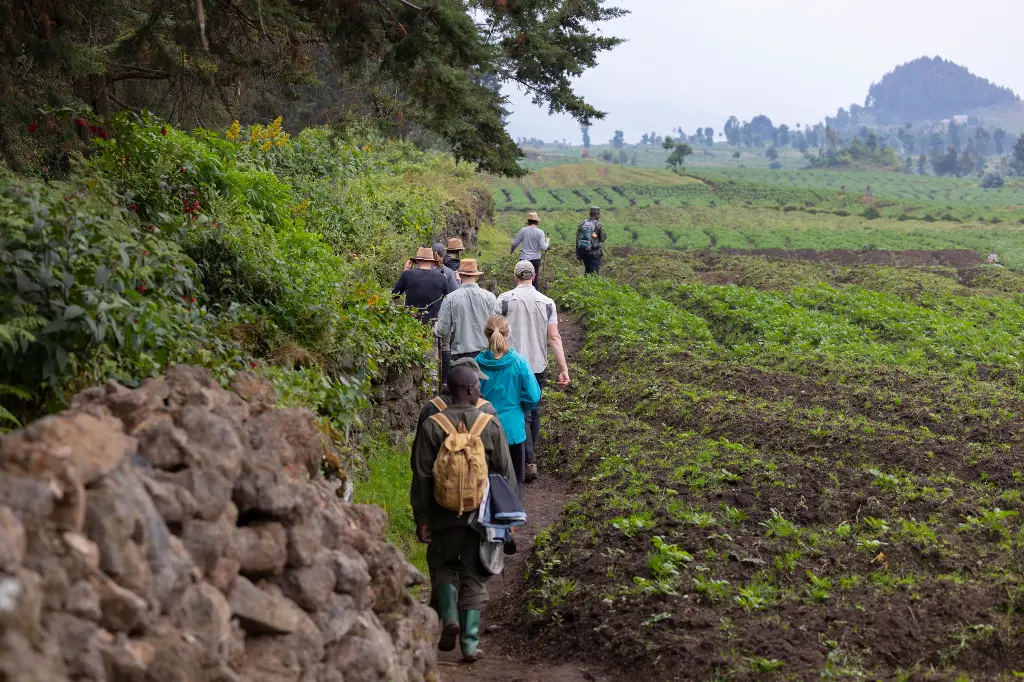
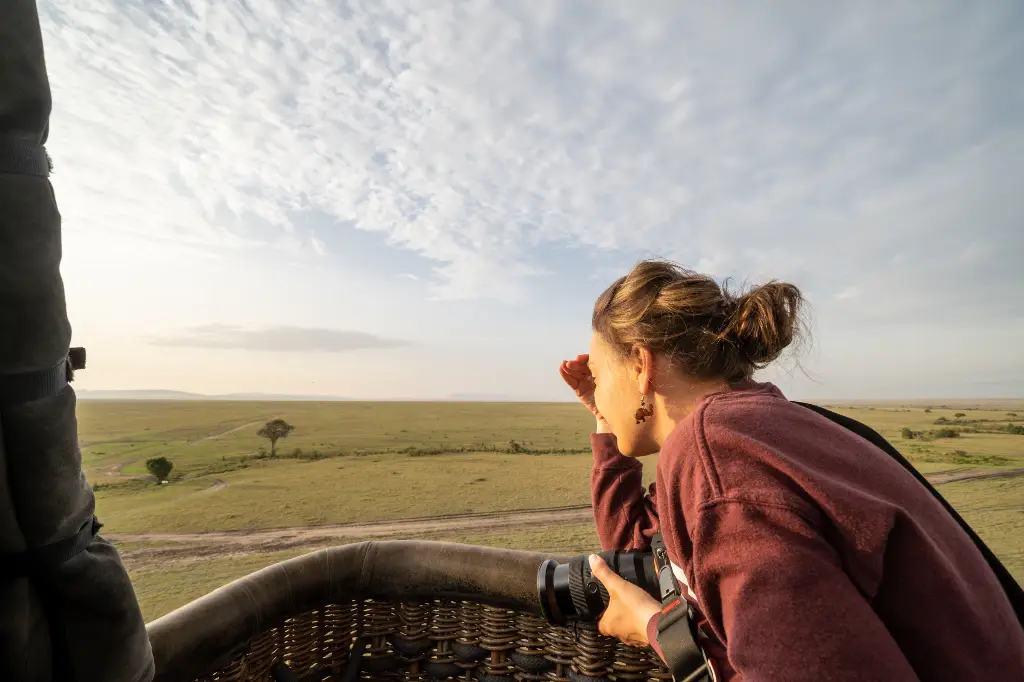
The Masai Mara also promises year-round excitement, with abundant wildlife, guided walks, and hot-air balloon safaris offering new perspectives of this remarkable wilderness.

The Masai Mara is best known for the Great Migration, one of the most dramatic wildlife spectacles on Earth. Each year, millions of wildebeest, zebras, and gazelles cross the Mara River in search of greener pastures.

Watching the herds move across the endless plains, pursued by predators, is a raw and breathtaking reminder of nature’s rhythm. It’s a moment that defines the spirit of African safaris.

Masai Mara safari

Top 10 FAQs to help you plan your unforgettable safari in Kenya.

Kenya is a captivating destination, famous for thrilling safaris, diverse wildlife, stunning landscapes, and rich culture. These FAQs answer the most common traveler questions to help you plan with confidence.

When is the best time for a safari in Kenya?

The Best time for a Safari in Kenya is from June to October, when the weather is dry and animals concentrate around rivers and waterholes, making them easier to see. 

January and February are also great months to visit because the weather is mild and the parks aren’t as busy. 

The months of March to May and November are the rainy months. The scenery is lush and gorgeous, but severe rains can make some trails muddy and make it tougher to see animals. 

But birdwatchers might like the rainy months better because that’s when migratory species show up.

Kenya offers safaris for every budget. A budget safari may start at around $150 per person per day, covering basic accommodations and game drives.

Mid-range options average $300–$500 per day, offering comfortable lodges or tented camps and more personalized service. 

Luxury safaris can cost anywhere from $1,000–$2,000+ per day, featuring exclusive camps, gourmet dining, and private guides. Costs also depend on park fees, transport (road vs. flight), and the season of travel.

Yes, without question. The Masai Mara is Kenya’s crown jewel and one of the world’s most famous safari destinations. It is best known for the Great Wildebeest Migration (July–October), where over a million animals cross from the Serengeti into Kenya. 

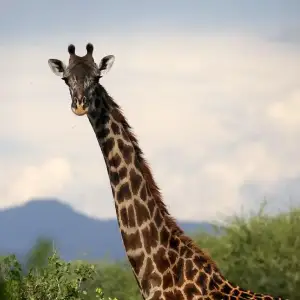
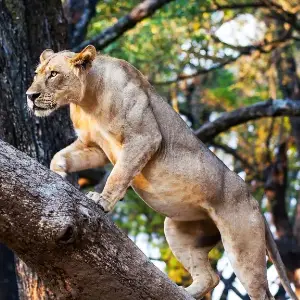
Even outside migration season, the Mara offers year-round predator action with lions, leopards, cheetahs, and hyenas, alongside elephants, giraffes, and zebras. Its vast open plains make game viewing exceptional.

A safari can be enjoyed in 3–4 days if you’re short on time, focusing on one park like the Masai Mara. 

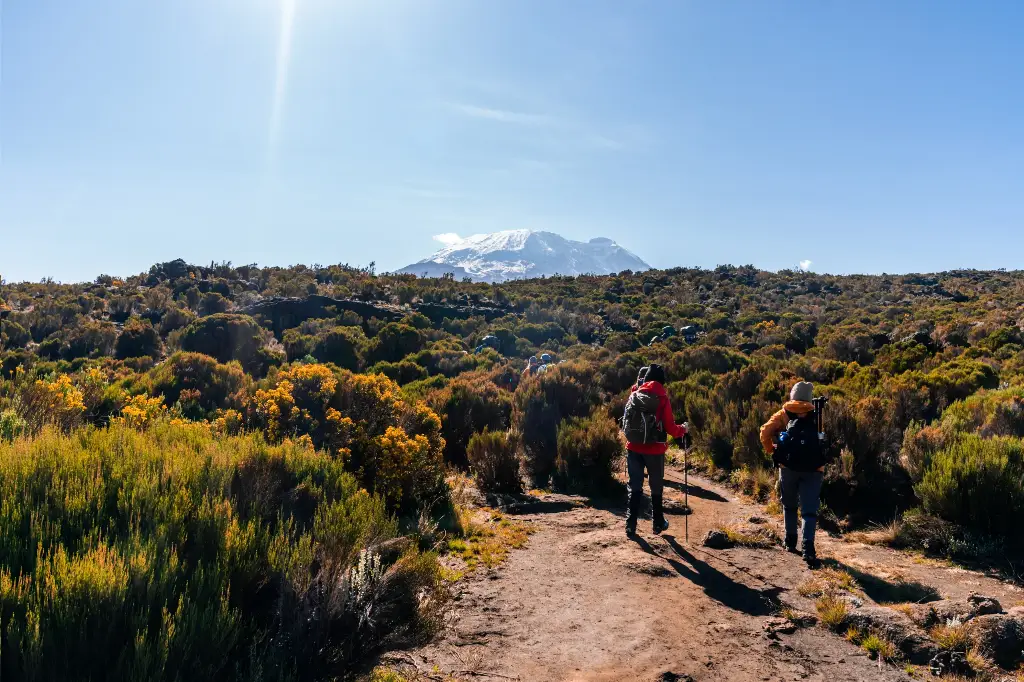
However, for a deeper experience, 7–10 days allows you to combine several destinations, like Amboseli for elephants with Mount Kilimanjaro views, Lake Naivasha for birdlife, and Tsavo or Samburu for unique landscapes.

This way, you experience Kenya’s diverse ecosystems rather than just one.

Both are outstanding safari destinations. Kenya is more compact, making it easier to see multiple parks in a shorter time. It’s often considered more budget-friendly and is famous for the Masai Mara. 

Tanzania, on the other hand, offers vast, less crowded wildernesses, including the Serengeti and Ngorongoro Crater. 

Many travelers choose to visit both countries, as the Serengeti and Masai Mara are part of the same ecosystem, providing a seamless safari adventure.

Yes, malaria is present in many regions of Kenya. It is strongly recommended that travelers take antimalarial medication, which a healthcare professional should prescribe before departure. 

In addition, use insect repellent, wear long sleeves and pants in the evenings, and sleep under mosquito nets provided by lodges or camps. With the proper precautions, the risk is manageable.

Bring clothes that are light, breathable, and in neutral colours like khaki, beige, or olive green. These colours help you blend in with your surroundings and don’t draw bugs. 

Avoid bright colours, as well as dark colours (black and blue attract tsetse flies). Bring a hat with a wide brim, sunglasses, and a thick layer for early morning or evening journeys because the temperature might drop quickly. For game drives, you should wear comfortable, closed shoes. For walking safaris, you must wear the appropriate attire.

Safari costs include more than just accommodation. Park entry fees and conservation charges go directly into protecting wildlife and their habitats. Lodges and camps are often located in remote areas, meaning food, supplies, and staff must be brought in, raising operational costs. 

Additionally, highly trained guides, trackers, and conservation staff ensure your experience is safe, ethical, and educational. In short, the price supports both your adventure and the preservation of Africa’s wildlife.

For popular destinations like the Masai Mara during migration season, it’s best to book 6–12 months in advance. This ensures access to the best lodges, guides, and vehicles. 

For shoulder or low seasons, you may find availability closer to your dates, but planning gives you more flexibility with itineraries, flight options, and package pricing.

Yes, Kenya is considered safe for safari tourists. National parks and reserves are secure, and lodges prioritize guest safety with professional guides and staff. 

Nairobi and other cities have areas where extra caution is advisable, but once on safari, most visitors feel entirely safe. Following basic travel guidelines, such as avoiding displaying valuables and listening to your guide’s instructions, ensures a smooth and enjoyable trip.

Explore East Africa’s Timeless Safari Destinations

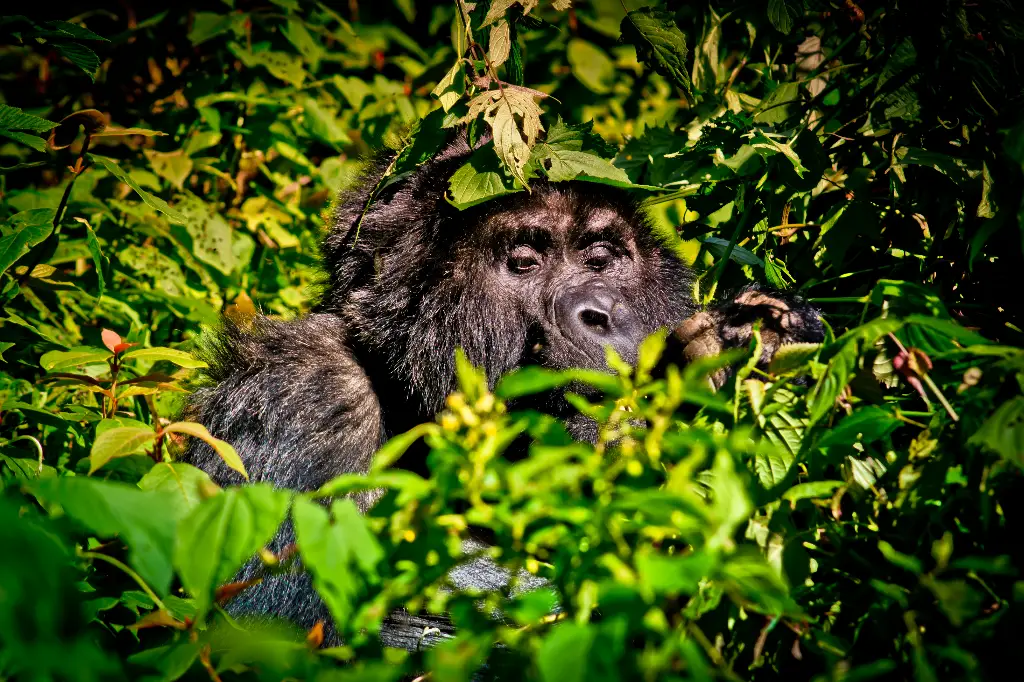
Journey across Tanzania, Kenya, Rwanda, and Uganda, where landscapes shift from endless savannahs to misty mountains. Witness lions roaming the Serengeti, gorillas in Rwanda’s volcanoes, and elephants crossing Kenya’s plains. Each destination offers its own beauty, culture, and rhythm, creating a safari experience that defines East Africa’s untamed soul.

Create your tailor-made trip

Lorem Ipsum is simply dummy text of the printing and typesetting industry. Lorem Ipsum has been the industry’s standard dummy text

Talk to Safari Expert

Lorem Ipsum is simply dummy text of the printing and typesetting industry. Lorem Ipsum has been the industry’s standard dummy text

Create your tailor-made trip

Plan your trip with us and enjoy safaris, sunsets, and stories you’ll love sharing again and again.

Talk to Safari Expert

Connect with our safari expert today for honest tips, smart planning, and insider travel recommendations.

"We had a fantastic time with Kingse Safari’s. We went from Arusha, to Ngorongoro and Serengeti. Peter was an awesome guide. Very knowledgeable and a skilled driver."

Jon H

JON H

Incredible Trip

"Amazing experience from start to finish! The guides were knowledgeable and friendly."

Anna L

ANNA L

Safari Adventure

"We had a fantastic time with Kingse Safari’s. We went from Arusha, to Ngorongoro and Serengeti. Peter was an awesome guide. Very knowledgeable and a skilled driver."

Jon H

JON H

Incredible Trip

"Amazing experience from start to finish! The guides were knowledgeable and friendly."

Anna L

ANNA L

Safari Adventure

Get Inspired Now

Find out how amazing East Africa's safaris are, with lions roaming, boundless plains, & vibrant civilizations. Visit Tanzania, Kenya, Uganda, & Rwanda, where every sunrise feels fresh & every trip makes you want to go deeper into Africa's untamed heart.